


Colombia and Panama share a border, a Caribbean coastline and centuries of intertwined history. Yet traveling through them reveals two distinctly different countries.
Colombia brings together historic railways, fertile coffee country, high-altitude cities and the colonial elegance of Cartagena. Panama offers cool mountain highlands, tropical rainforest, Indigenous traditions and one of the world’s greatest engineering achievements.
Together, the two countries provide an exceptional variety of landscapes, cultures and travel experiences. Here are nine highlights worth including in a journey through Colombia and Panama.
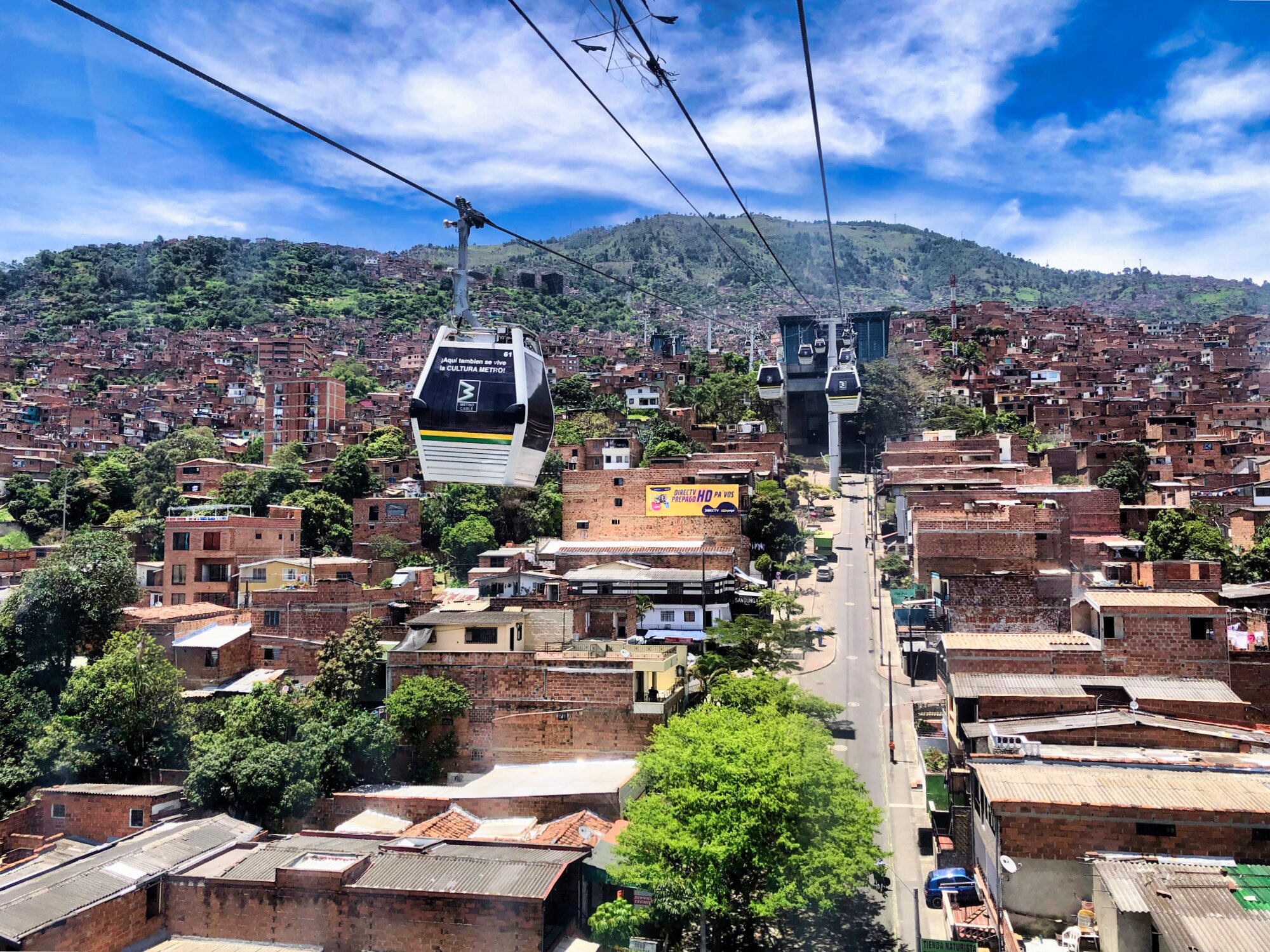
Medellín occupies a dramatic setting in Colombia’s Aburrá Valley, surrounded by steep green mountains.
The city’s difficult recent history cannot be ignored, but allowing that period to define Medellín today gives an incomplete picture. New public transport, cultural spaces, libraries and investment in previously isolated neighborhoods have helped reconnect the city.
The elevated metro provides excellent views across the valley, while cable cars climb above densely built hillsides to communities that were once difficult to reach. Together, these transport systems demonstrate how thoughtful infrastructure can change everyday life.
The metro and cable cars are also among the best ways for visitors to understand Medellín’s geography. Rather than merely traveling between attractions, passengers see how the city has developed along the narrow valley and expanded up the surrounding mountains.
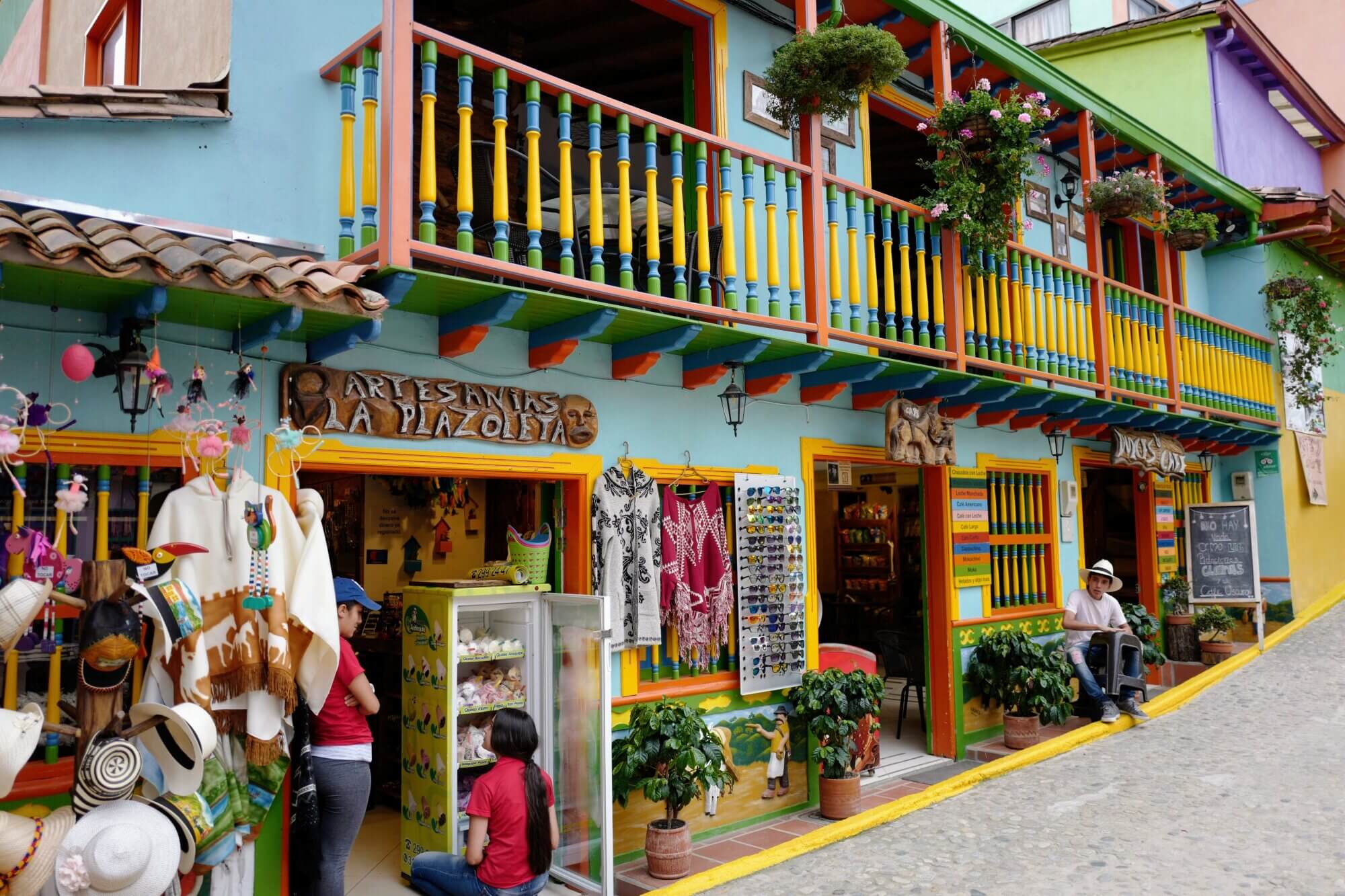
Guatapé is one of the most colorful towns in Colombia.
The lower walls of its traditional houses are decorated with painted reliefs known as zócalos. These depict animals, flowers, local occupations, family histories and scenes from rural life. Some serve as decorative house signs, while others tell small stories about the people who live there.
Nearby, the immense granite formation known as El Peñol rises above a striking landscape of islands, peninsulas and waterways. A long staircase leads to the summit, although visitors who prefer not to make the climb can still appreciate the scenery from below.
Guatapé can be visited as a day trip from Medellín, but staying overnight allows travelers to experience the town after many daytime visitors have departed.
At approximately 2,640 meters above sea level, Bogotá combines colonial history, republican architecture and the energy of a major Latin American capital.
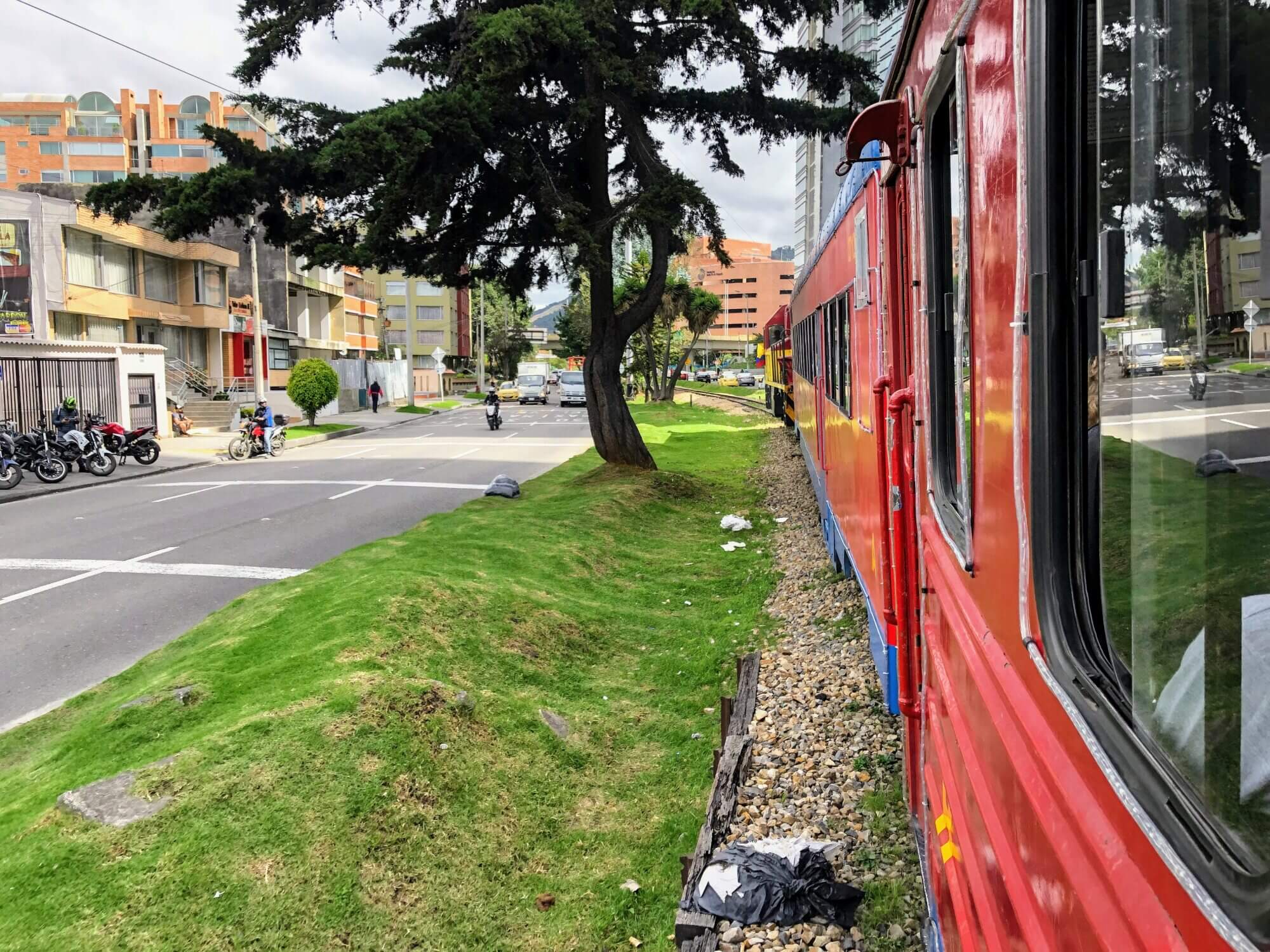
One of its most distinctive railway experiences is the historic Tren de la Sabana. The train leaves the city and travels across the broad plateau surrounding Bogotá, using part of a network that once connected the capital with communities throughout central Colombia.
Traditional passenger carriages and the leisurely pace recall an earlier age of travel. The journey also provides a different perspective on Bogotá’s northern districts and the surrounding savanna.
Tourist train services operate on selected dates rather than every day. Travelers hoping to include the journey should check the current schedule and reserve in advance.
Learn more about the Tren de la Sabana and its journey from Bogotá.
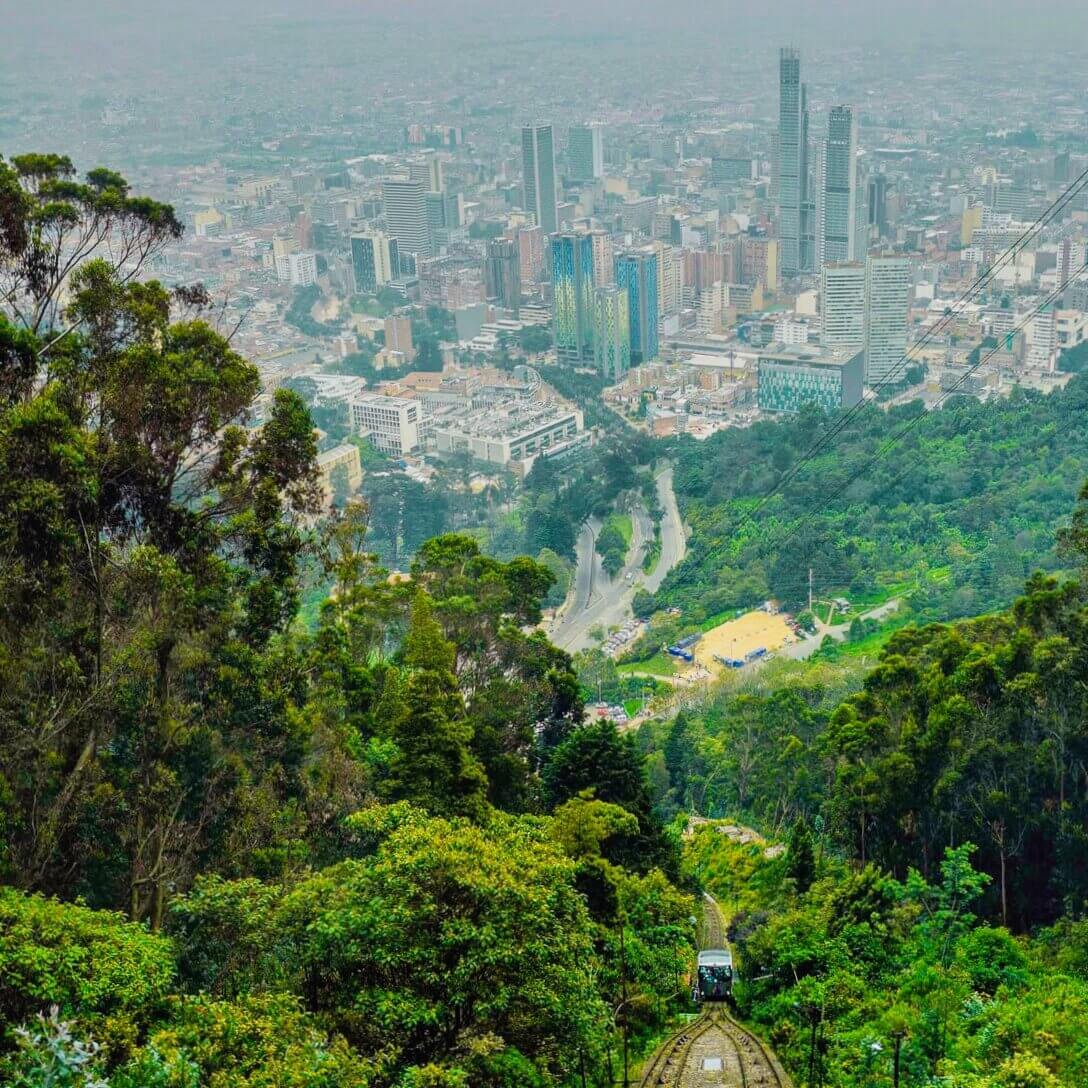
Monserrate rises prominently above Bogotá’s historic center and has been a place of pilgrimage for centuries.
A funicular and an aerial cableway carry visitors to the summit, avoiding the demanding walk up the mountain. From the top, Bogotá appears to stretch almost endlessly across the high plateau, with the historic center below and modern districts extending toward the horizon.
The summit stands considerably higher than the city itself. Visitors may notice the thinner air and should take their time, particularly during their first days in Bogotá. Temperatures can also be noticeably cooler than in the city below.
Clearer views are often found earlier in the day, before clouds gather around the mountains.
Read more about the funicular and aerial cableway to Monserrate.
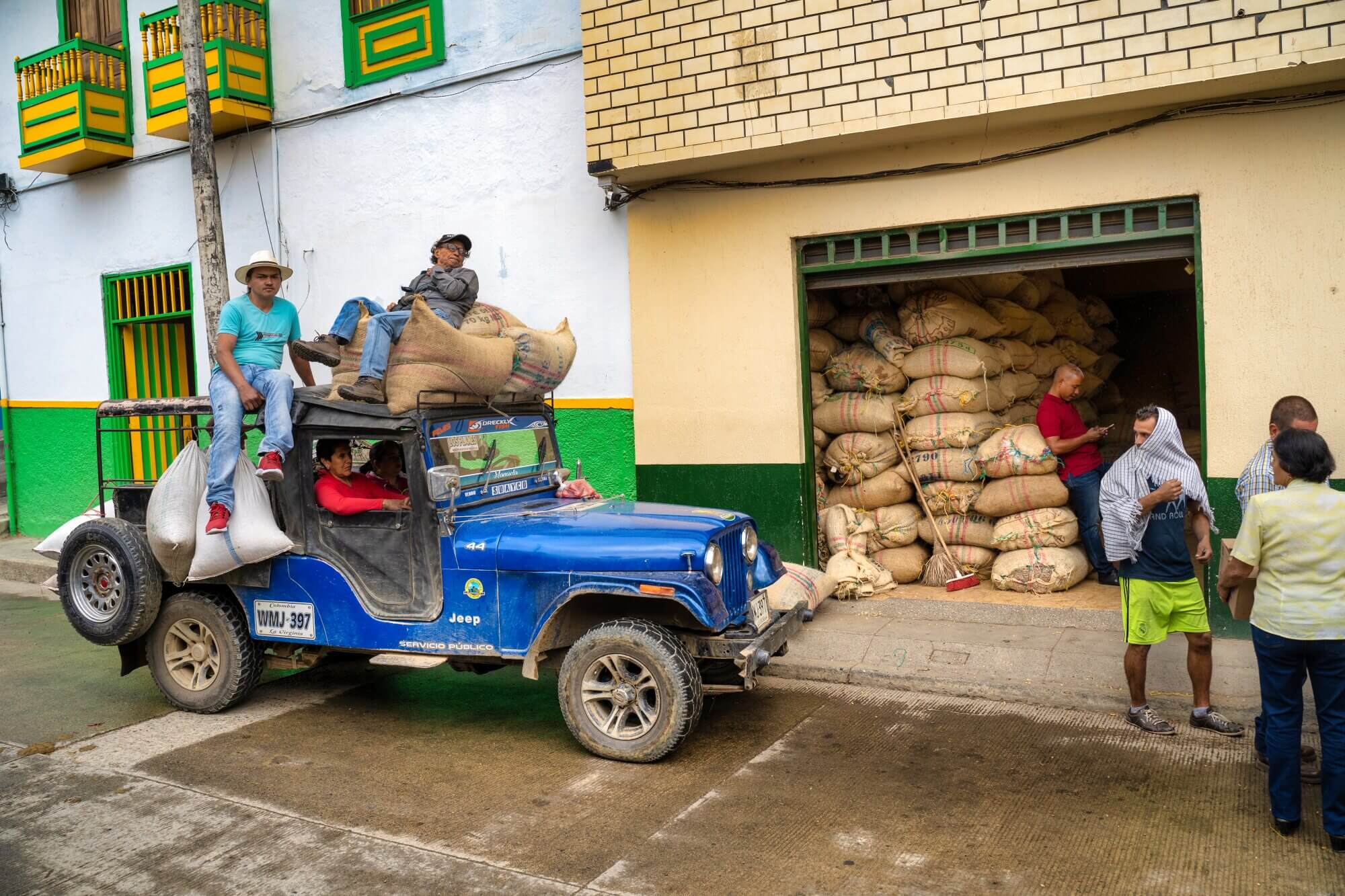
Coffee is inseparable from Colombia’s international identity, but understanding it properly means visiting the landscapes where it is grown.
In Colombia’s coffee region, steep hillsides are covered with coffee plants, bamboo, plantain trees and tropical vegetation. Traditional farms explain the long process behind every cup, from cultivating and hand-picking the cherries to drying, sorting, roasting and preparing the beans.
The region is also known for its traditional Willys Jeeps. Originally imported as practical agricultural vehicles, they became indispensable for carrying people, coffee and supplies along narrow mountain roads. They remain a familiar part of life in many coffee-growing communities.
Distances can appear short on a map, but the mountainous roads are often winding. Travelers should allow sufficient time rather than attempting to cover several towns and farms in a single day.
Read more about Colombia’s Coffee Triangle.
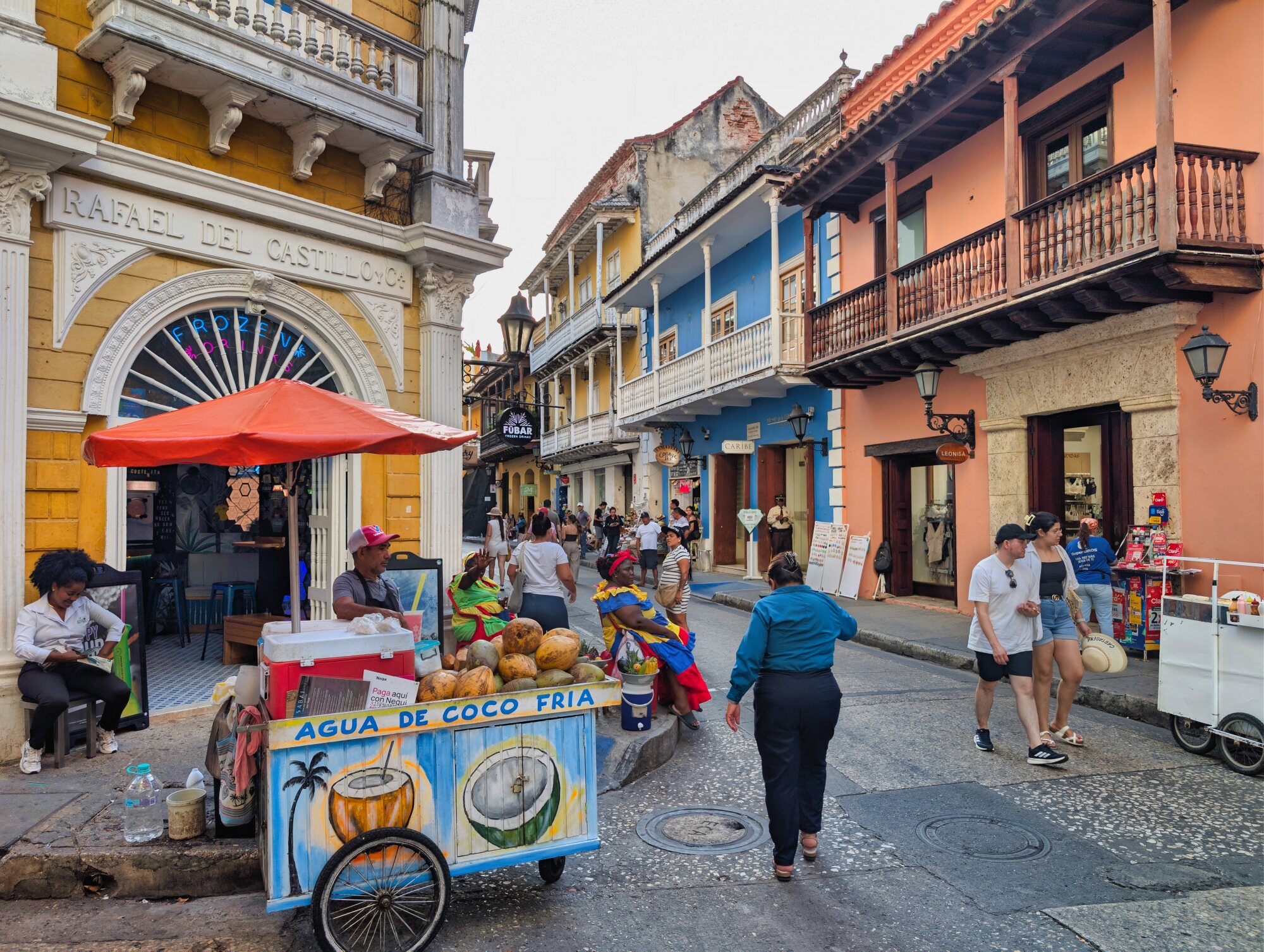
Cartagena presents an entirely different side of Colombia.
Behind its formidable defensive walls, the historic city contains shaded plazas, churches, flower-covered balconies and grand houses dating from the Spanish colonial period.
For centuries, Cartagena was one of the most important ports in the Americas. Gold, silver, agricultural products and enslaved people passed through its harbor. The city’s fortifications reflect both the wealth generated by this trade and the constant threat of foreign attack.
Cartagena is hot and humid throughout much of the year. Early mornings and evenings are particularly pleasant times to explore the old city on foot. The quieter streets also make it easier to appreciate the architecture without the strongest midday heat.
Beyond the historic center, Colombia’s Caribbean coast has its own musical, culinary and rum-making traditions, shaped by African, Indigenous and European influences.
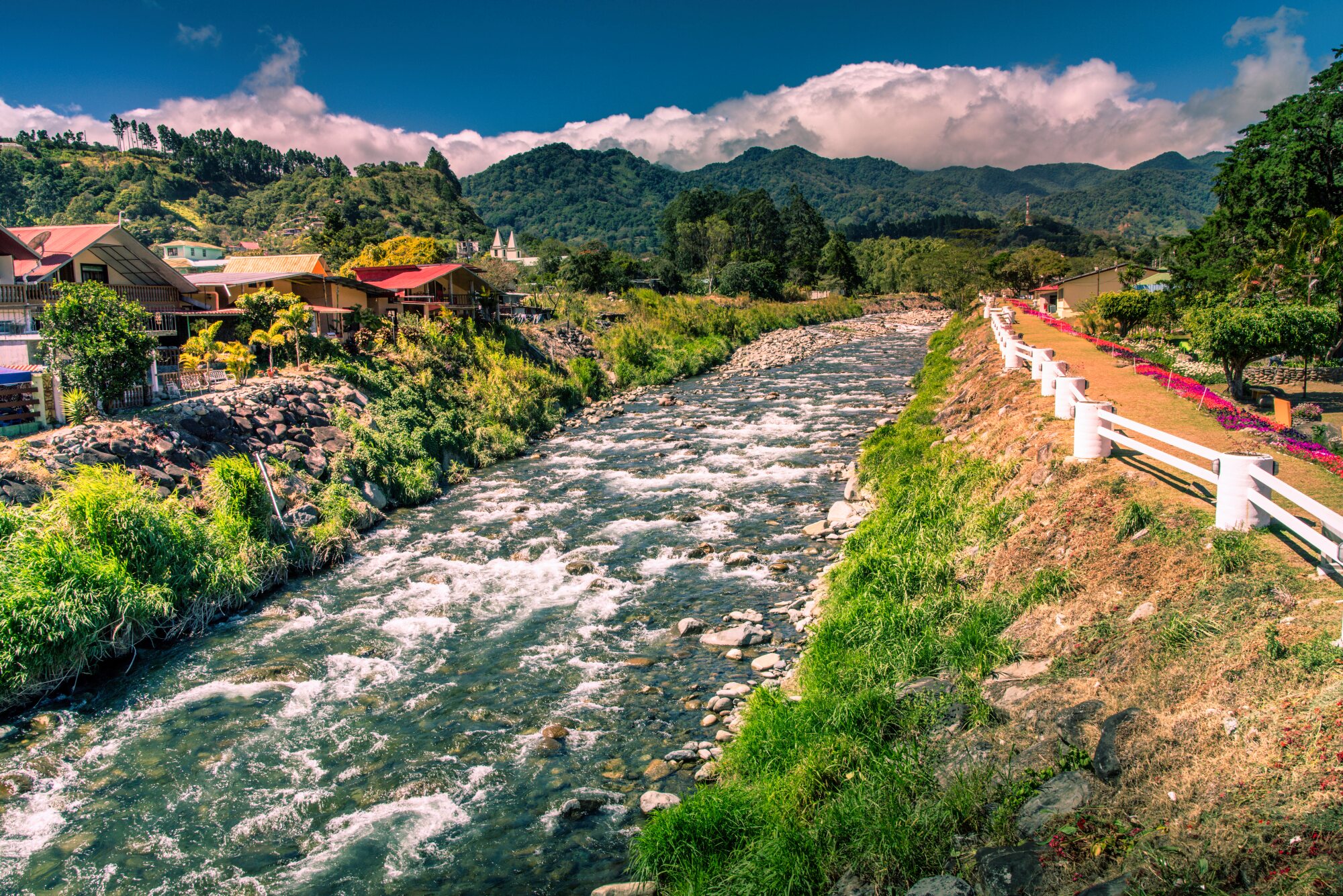
Boquete lies in the highlands of western Panama, among mountains, rivers and fertile agricultural land near the Barú Volcano.
Its elevation creates a cooler climate than Panama’s coastal lowlands. The surrounding region is known for flowers, fruit and some of the world’s most highly regarded coffee, including sought-after Geisha varieties.
Coffee farms around Boquete benefit from volcanic soil, mountain rainfall and considerable variations in elevation. Many offer guided visits explaining how growing conditions and processing methods influence the final taste.
Farm visits often require advance reservations. A light rain jacket and an additional layer are also useful, as conditions in the highlands can change quickly.
Boquete demonstrates that Panama offers far more than its canal and modern capital.
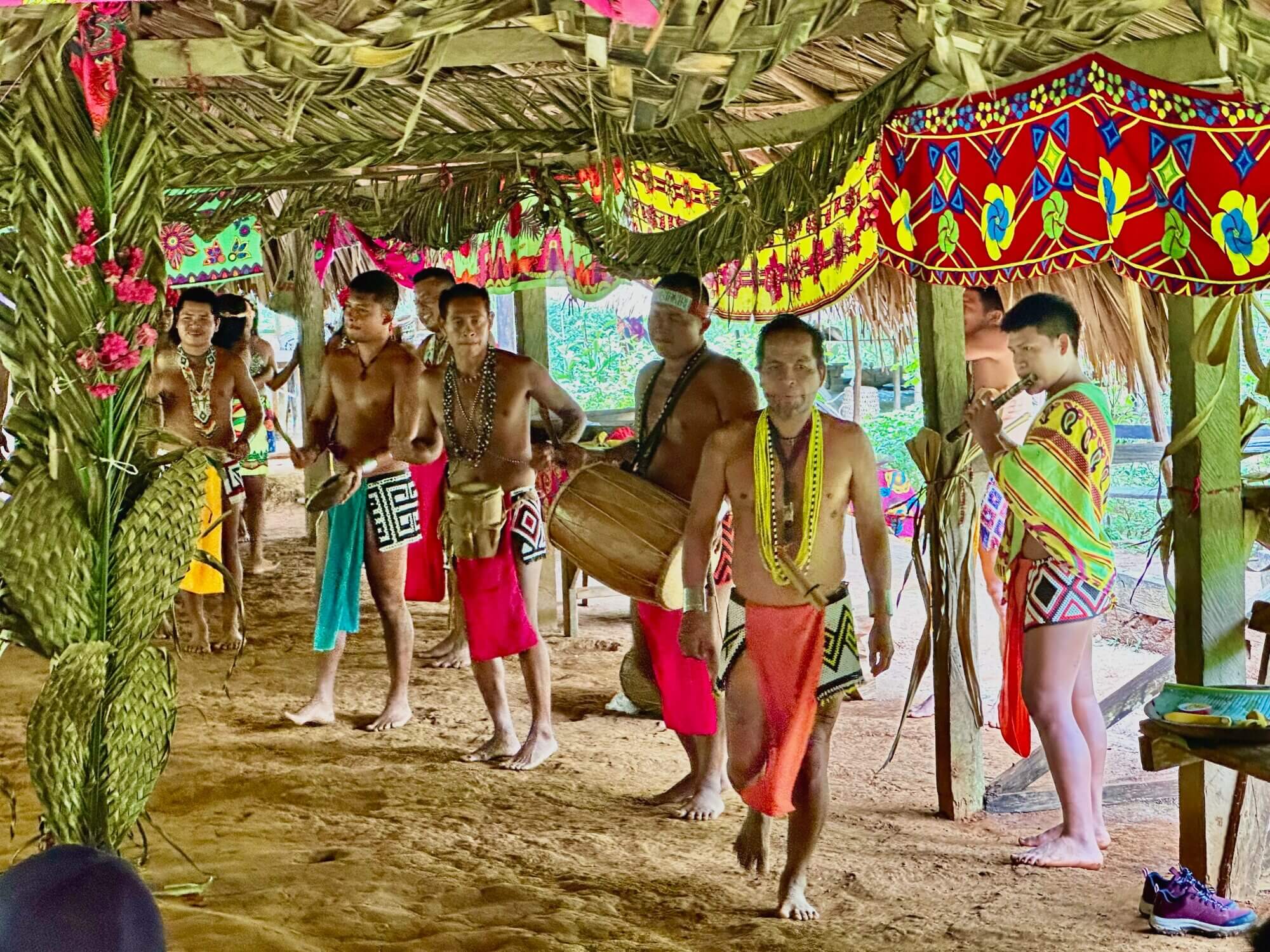
Several Emberá communities live in the forested regions of Panama, maintaining their own language, crafts, music and social traditions.
Community visits commonly begin with a journey by traditional canoe along a tropical river. During a well-conducted visit, Emberá hosts explain aspects of their history, daily life and relationship with the surrounding rainforest.
Such encounters should be approached with respect. Visitors should follow community guidance, ask permission before taking close photographs and purchase crafts directly from their makers when possible.
These visits provide an opportunity to listen and learn from a living Indigenous culture rather than treating its traditions simply as a tourist attraction.
Read more about the Emberá of Panama and their traditions.
The Panama Canal is best understood from more than one perspective.
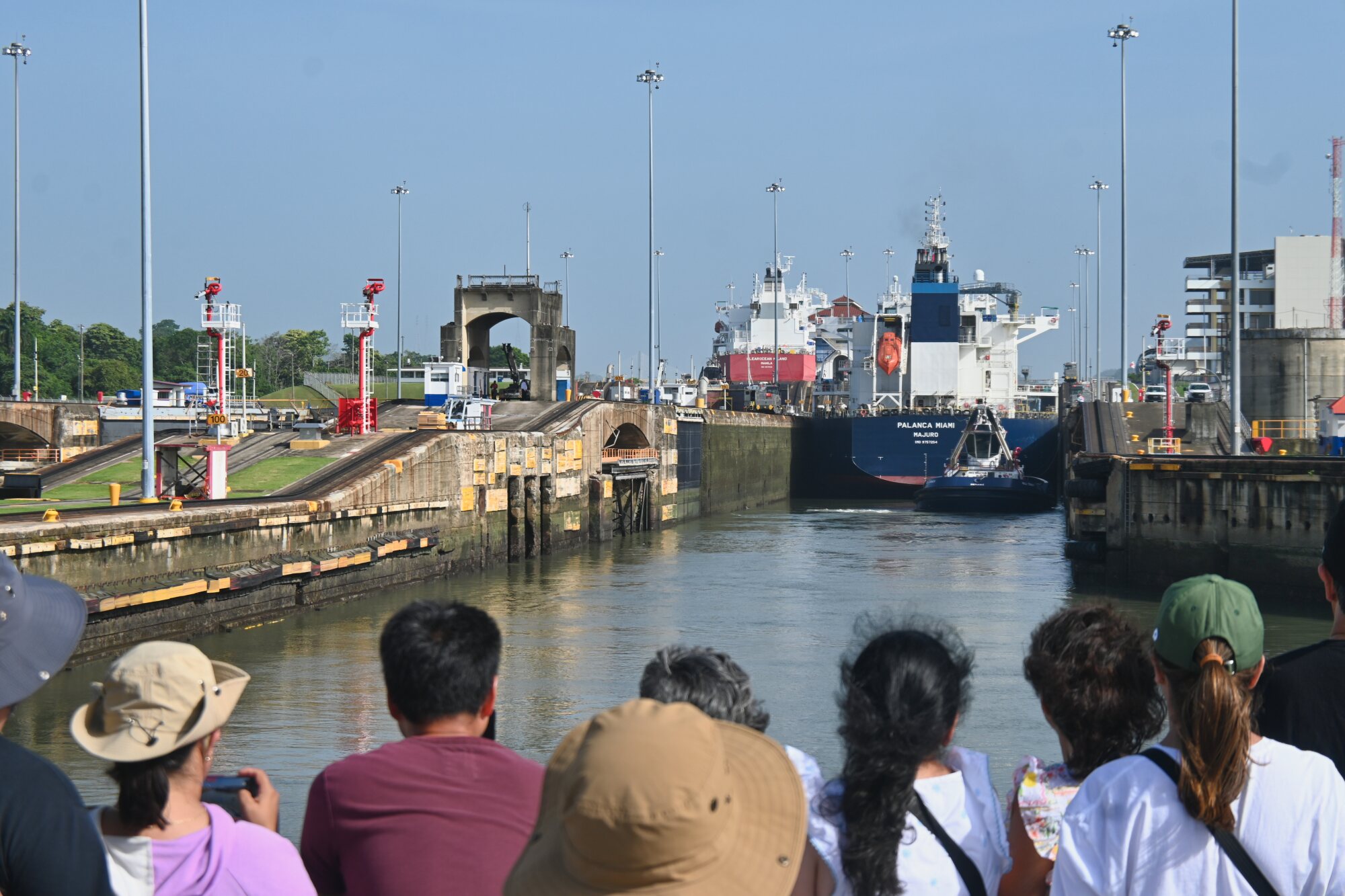
At the Agua Clara Locks near Colón, visitors can observe enormous vessels moving between the Caribbean Sea and Gatún Lake. These newer chambers opened as part of the canal expansion and can accommodate ships far larger than those envisioned when the original canal began operating in 1914.
The Miraflores Locks, closer to Panama City, provide another accessible viewpoint over the original canal system.
A partial canal transit offers a very different experience. Traveling on the water reveals the immense scale of the locks, artificial lakes, channels and engineering works. It also shows how closely the canal is surrounded by tropical forest.
Anyone with sufficient time should consider combining a lockside observation center with a partial transit. One explains how the canal works; the other conveys what it feels like to travel through it.
The rainforest around Gamboa provides a further reminder that one of the world’s busiest transport corridors passes through an exceptionally rich natural environment.
Although Colombia and Panama are neighboring countries, there is no conventional road connection through the Darién Gap. Most travelers fly between them.
Both countries also contain considerable variations in elevation and climate. A journey may include Bogotá’s cool high-altitude mornings, the temperate climate of Medellín, Cartagena’s Caribbean heat, Boquete’s mountain air and Panama’s humid rainforest.
Lightweight clothing, sun protection, comfortable walking shoes, rain protection and an additional layer for higher elevations are all useful. Travelers arriving in Bogotá should also allow time to adjust to the altitude.
Train journeys, coffee-farm visits, community visits and Panama Canal transits may operate only on particular days or require advance reservations. Planning these experiences before finalizing the rest of an itinerary can prevent unnecessary changes later.
Colombia and Panama offer far more than can be covered in a single article. Their historic railways, mountain landscapes, coffee traditions, Caribbean heritage and tropical waterways reward travelers who take the time to explore beyond the most familiar attractions.
Several of these experiences form part of Rail South America’s small-group journey through Colombia and Panama.


.svg)
