


When most travelers think of Panama, they picture the immense locks and cargo ships of the Panama Canal, or the modern skyline of Panama City rising above the Pacific. Yet only a short distance from this world of steel and schedules lies another Panama altogether — one shaped by rivers, rainforest, and traditions that continue quietly, much as they have for centuries.
Having visited Emberá communities on multiple occasions, and always in close collaboration with local guides who know these rivers intimately, I have learned that the true value of this encounter lies not in observation, but in shared presence. A visit to the Emberá is not about stepping back in time — it is about stepping alongside a living culture that has chosen continuity over speed.
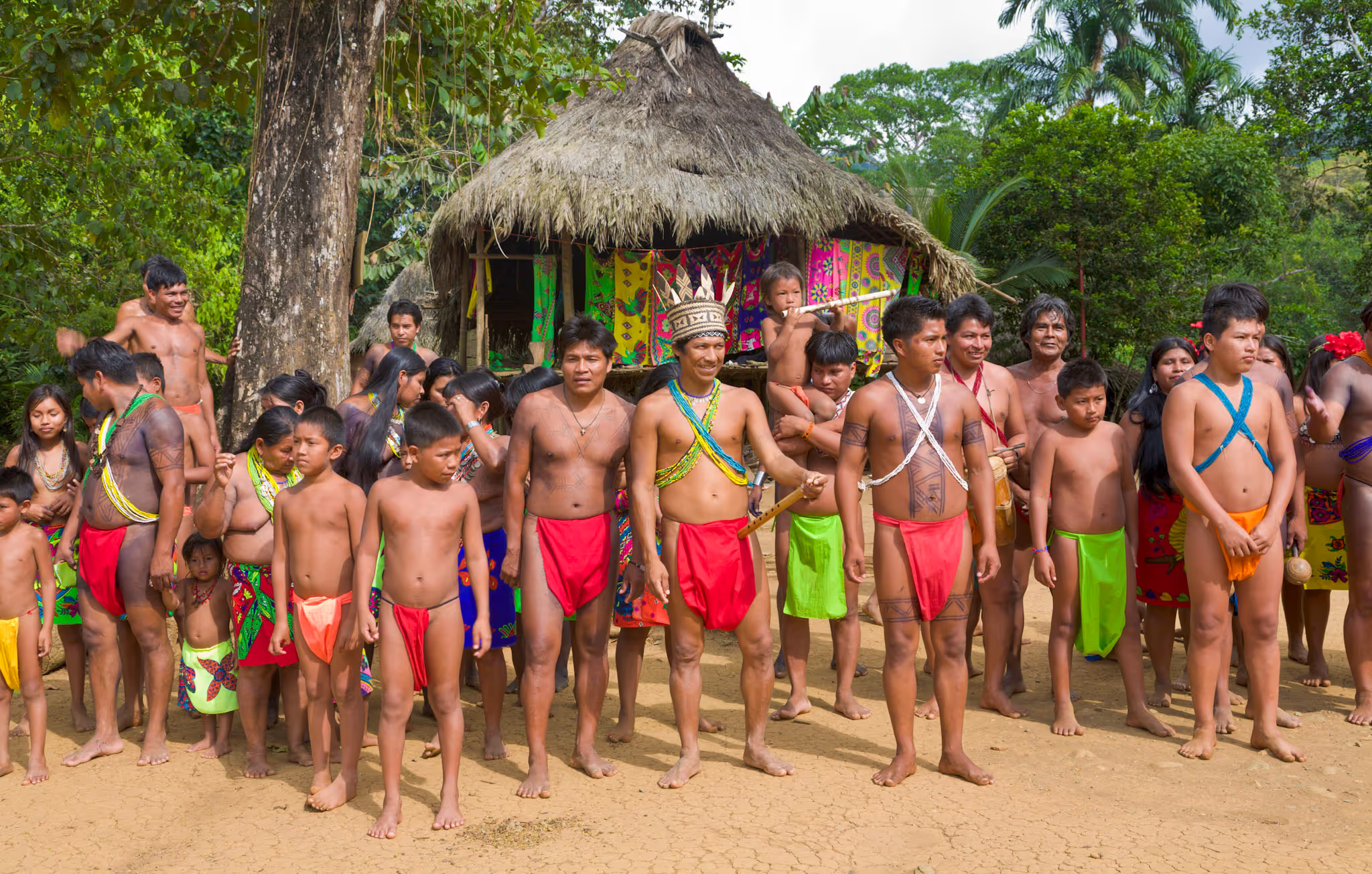
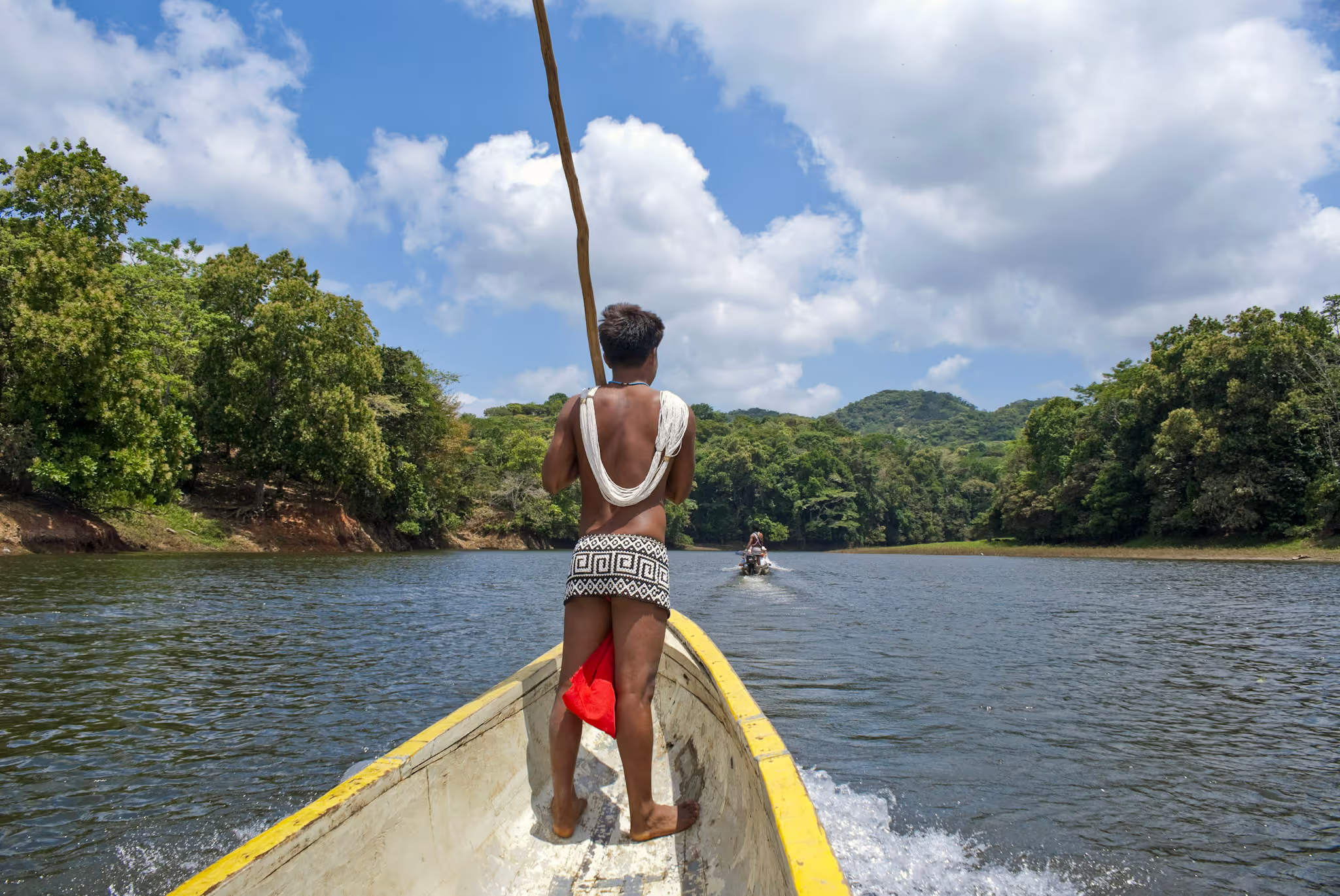
For the Emberá people, rivers are not boundaries — they are lifelines. Communities are traditionally located along waterways, and travel is still done by long, narrow dugout canoes carved from single tree trunks. Reaching an Emberá village by river is an essential part of the experience, marking a gradual transition from the modern world into a landscape governed by natural rhythms.
As the rainforest closes in, time seems to loosen its grip. The sounds of engines fade, replaced by water, birdsong, and wind in the canopy. Arrival feels less like reaching a destination and more like entering a rhythm already in motion.
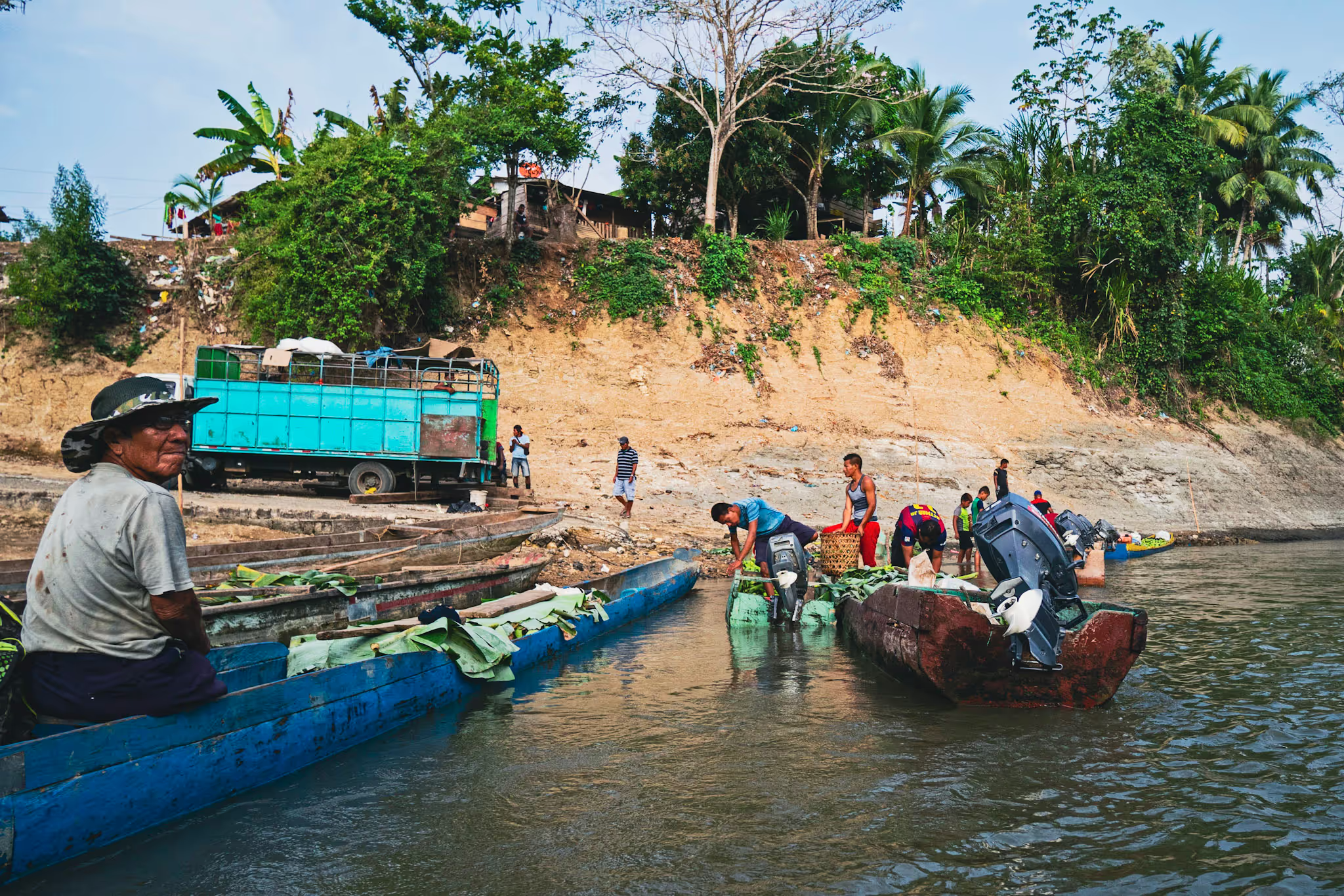
The Emberá worldview is founded on balance, respect, and coexistence. Plants, animals, rivers, and people are all believed to possess spirit and meaning. This philosophy is not expressed through doctrine or display, but through daily life — in how food is prepared, materials are gathered, and the forest is treated not as something to be exploited, but as a partner to live with.
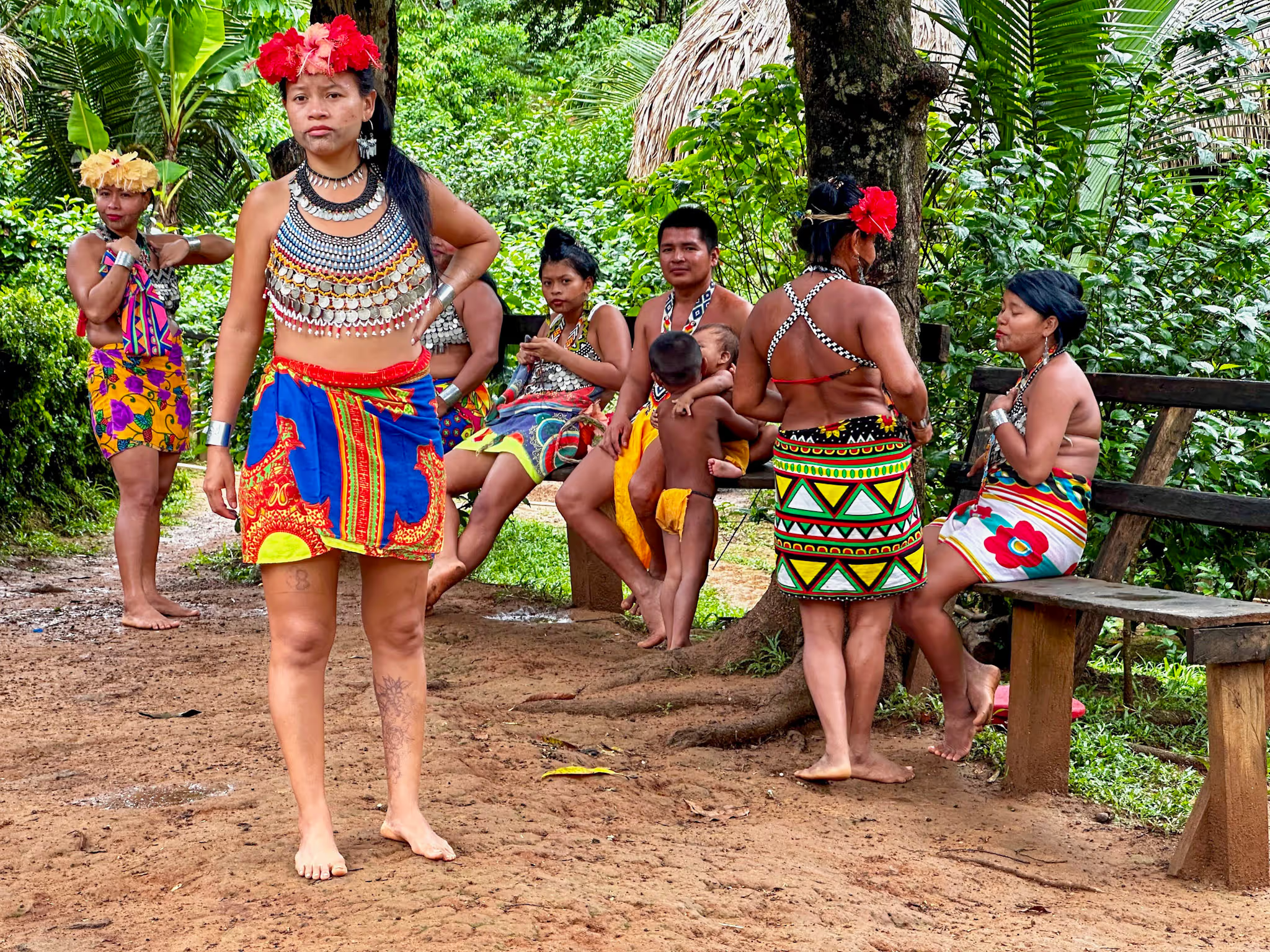
Music and dance play an important role in preserving memory and identity. These expressions are shared naturally with visitors as part of community life, not staged performances. They reflect a worldview in which tradition remains relevant because it continues to serve a purpose.
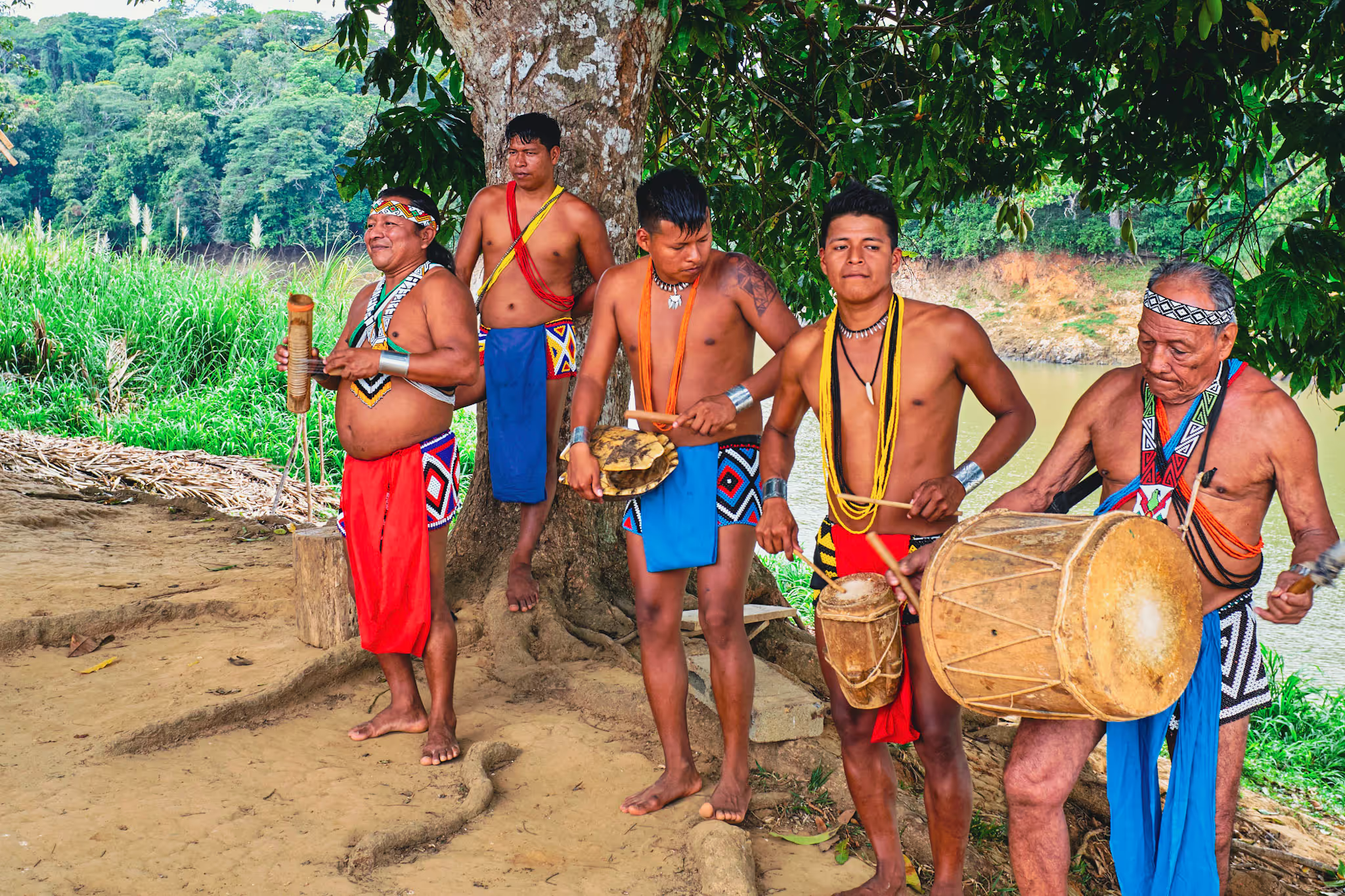
One of the most striking elements of Emberá culture is its craftsmanship. Artistic skill is passed down through generations, and each piece reflects patience, precision, and deep knowledge of natural materials.
Women are renowned for weaving baskets from chunga palm leaves, dyed with natural pigments into intricate geometric and animal patterns. Some baskets are woven so finely they can even hold water — a testament to extraordinary technique. Men carve sculptures from cocobolo wood and tagua nuts, often depicting rainforest animals with remarkable character and detail.
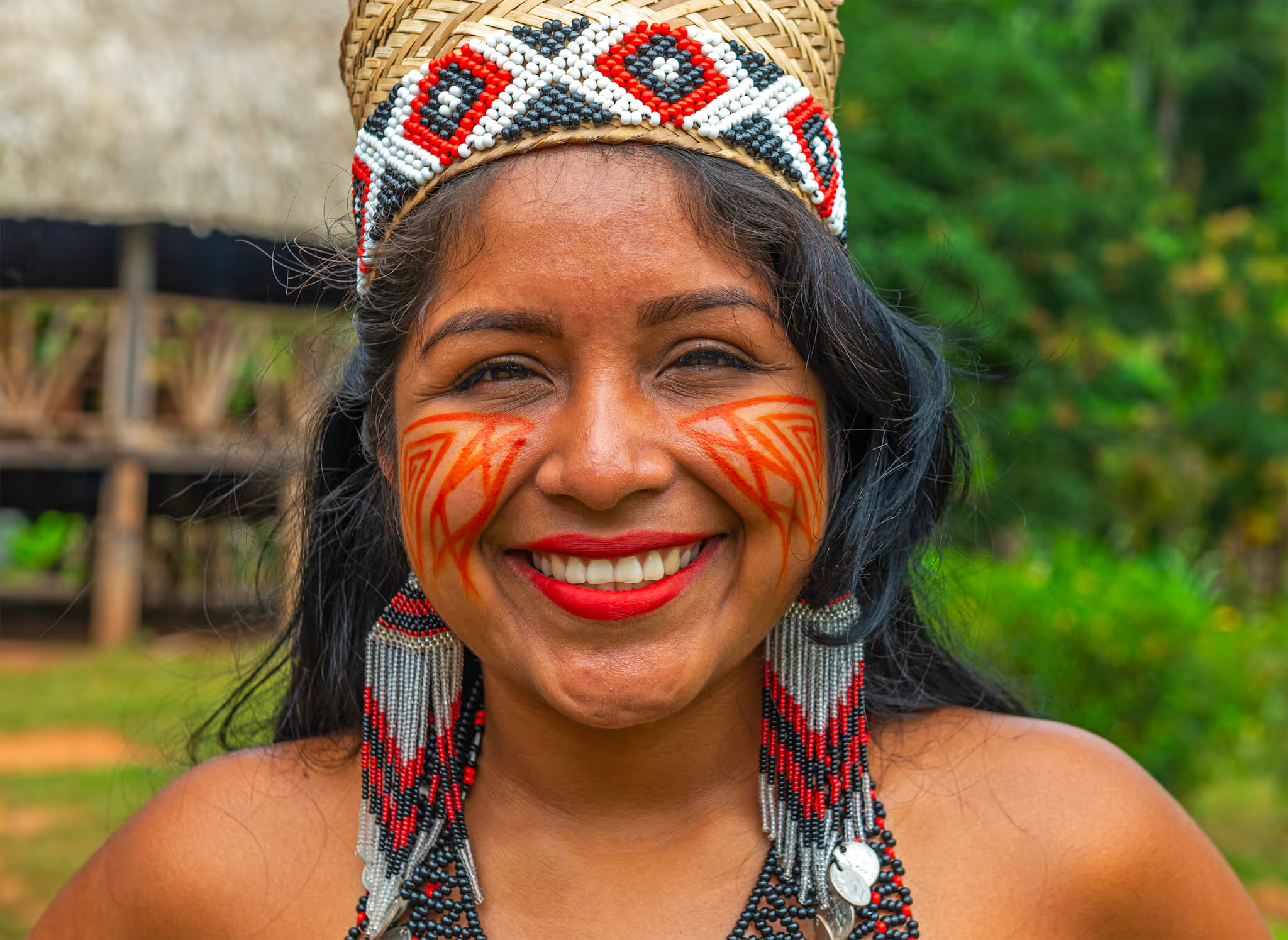
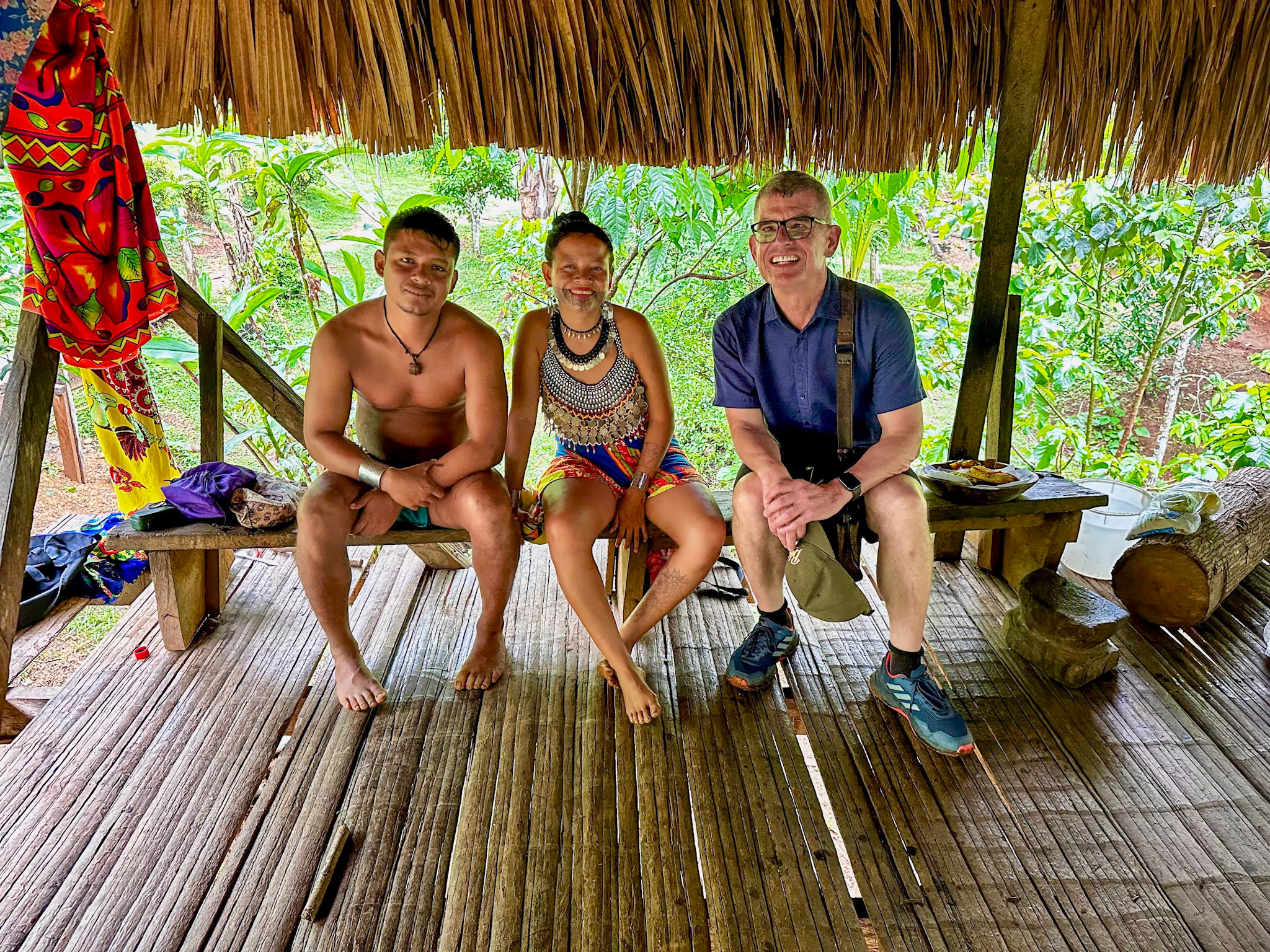
Equally distinctive is the tradition of jagua body painting. Made from the ink of the jagua fruit, these temporary designs — featuring symbols inspired by nature — are applied as a welcoming gesture. The markings darken naturally over a day and fade within one to two weeks, offering a quiet, personal way to participate in the culture and carry the memory home.
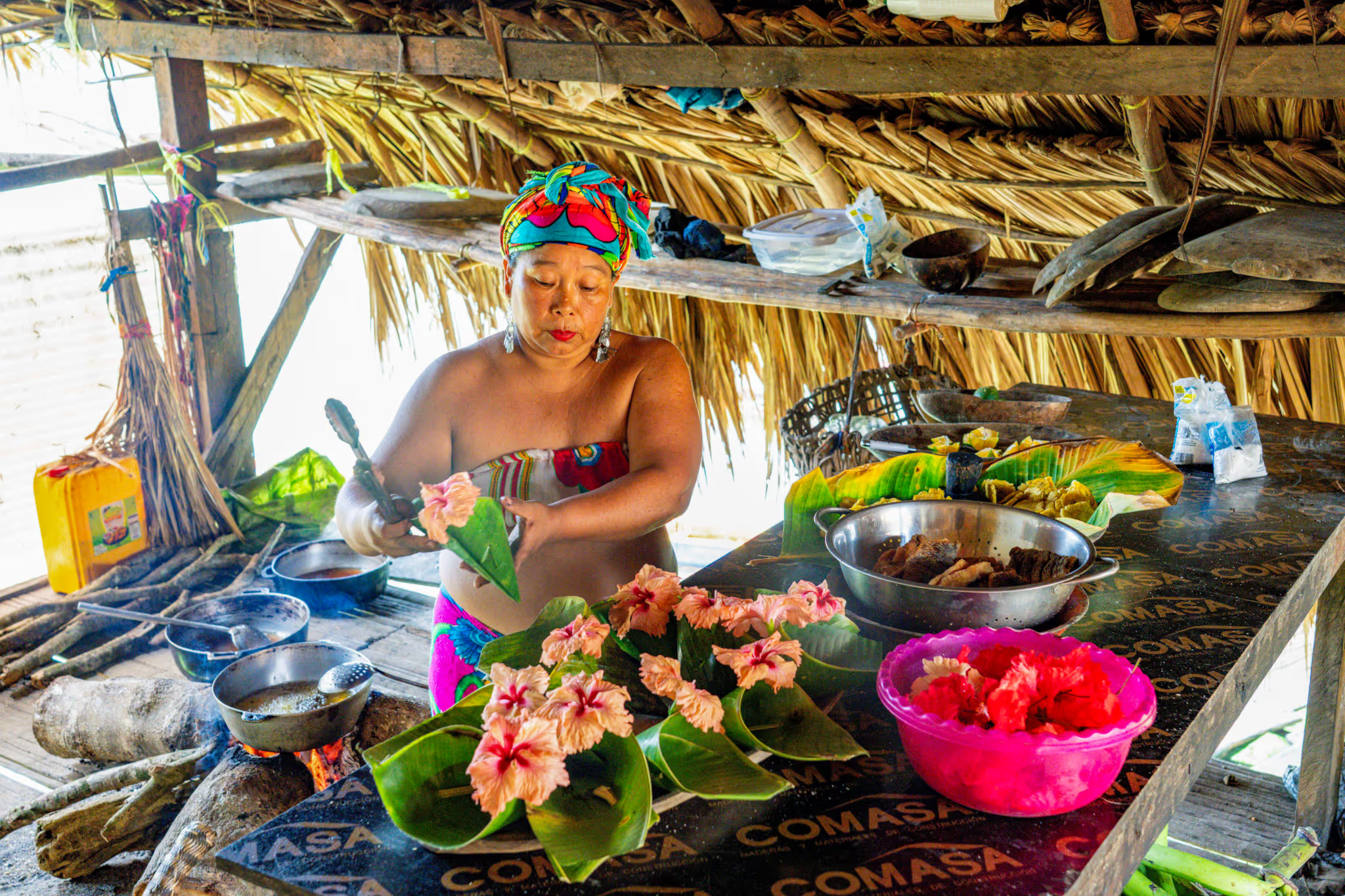
Meals in an Emberá community reflect the same values that shape daily life: simplicity, freshness, and respect for what the river and forest provide. Visitors are typically offered freshly caught fish and plantains, wrapped in banana leaves and prepared using traditional methods.
It is not elaborate cuisine — and that is precisely the point. Shared food becomes a moment of connection, grounding the visit in something universal and deeply human.
An authentic Emberá village visit is most meaningful when approached as a cultural exchange rather than an attraction. Communities host visitors themselves, welcoming guests openly and with dignity. Purchasing handicrafts directly supports families and helps sustain traditions that continue by choice, not necessity.
Traveling with experienced local guides who maintain long-standing relationships with the communities ensures that visits remain respectful, genuine, and mutually beneficial. This careful approach protects both cultural integrity and the quality of the experience.
In a world increasingly defined by speed, standardization, and surface experiences, the Emberá remind us that progress does not require the abandonment of identity. Their culture is neither frozen nor fading — it adapts carefully, on its own terms, guided by values that have endured because they still make sense.
A visit leaves more than photographs behind. It offers perspective — and a quiet reminder that some of the most meaningful journeys are measured not in distance, but in understanding.
Our Colombia & Panama: Rails, Rum & Coffee journey includes a thoughtfully arranged visit to an Emberá community as part of a wider exploration of both countries. It is one of the tour’s most understated highlights — a counterpoint to railways, cities, and engineering marvels — and often one of the moments travelers recall most vividly.
This is travel shaped by continuity, care, and connection — values that, like the Emberá themselves, endure.
How do you reach an Emberá village?
Most visits begin with a scenic canoe journey along rainforest rivers, providing a natural transition from urban Panama into the Emberá world.
Is the visit authentic or staged for tourists?
Visits are hosted by the communities themselves and guided by long-standing local relationships, ensuring a genuine cultural exchange.
Can visitors purchase Emberá handicrafts?
Yes. Handcrafted baskets, carvings, and artwork are available for purchase, directly supporting the community and its traditions.


.svg)
