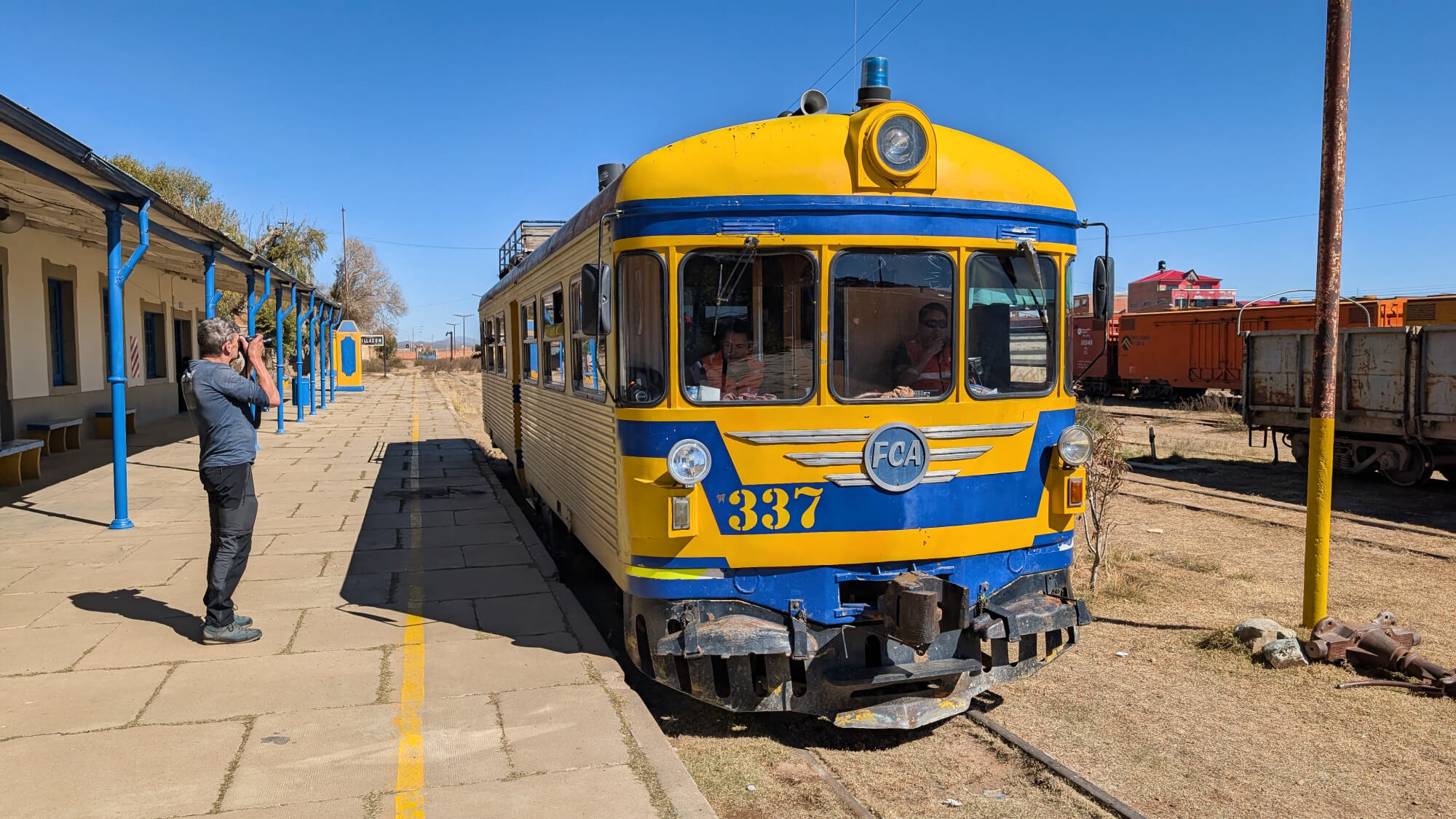
There is a moment on the journey into Argentina’s high Andes when the landscape opens out and the scale of the mountains becomes apparent. The valleys give way to the broad, spare scenery of the Puna, where settlements seem small beneath an enormous sky.
This is the setting for the Tren a las Nubes, Argentina’s celebrated “Train to the Clouds.” Its destination is La Polvorilla Viaduct, at 4,220 metres (13,845 feet) above sea level—but the appeal of the day reaches well beyond that impressive figure.
For travellers who enjoy railways, mountain landscapes, and discovering how people live in remote places, this journey brings all three together.
The experience is closely associated with Salta, but the train itself departs from San Antonio de los Cobres. Travellers coming from Salta reach the station by road, then board the train for the return excursion to La Polvorilla.
That distinction matters when planning your visit. This is a day combining road and rail travel, rather than a continuous train journey from Salta into the mountains.
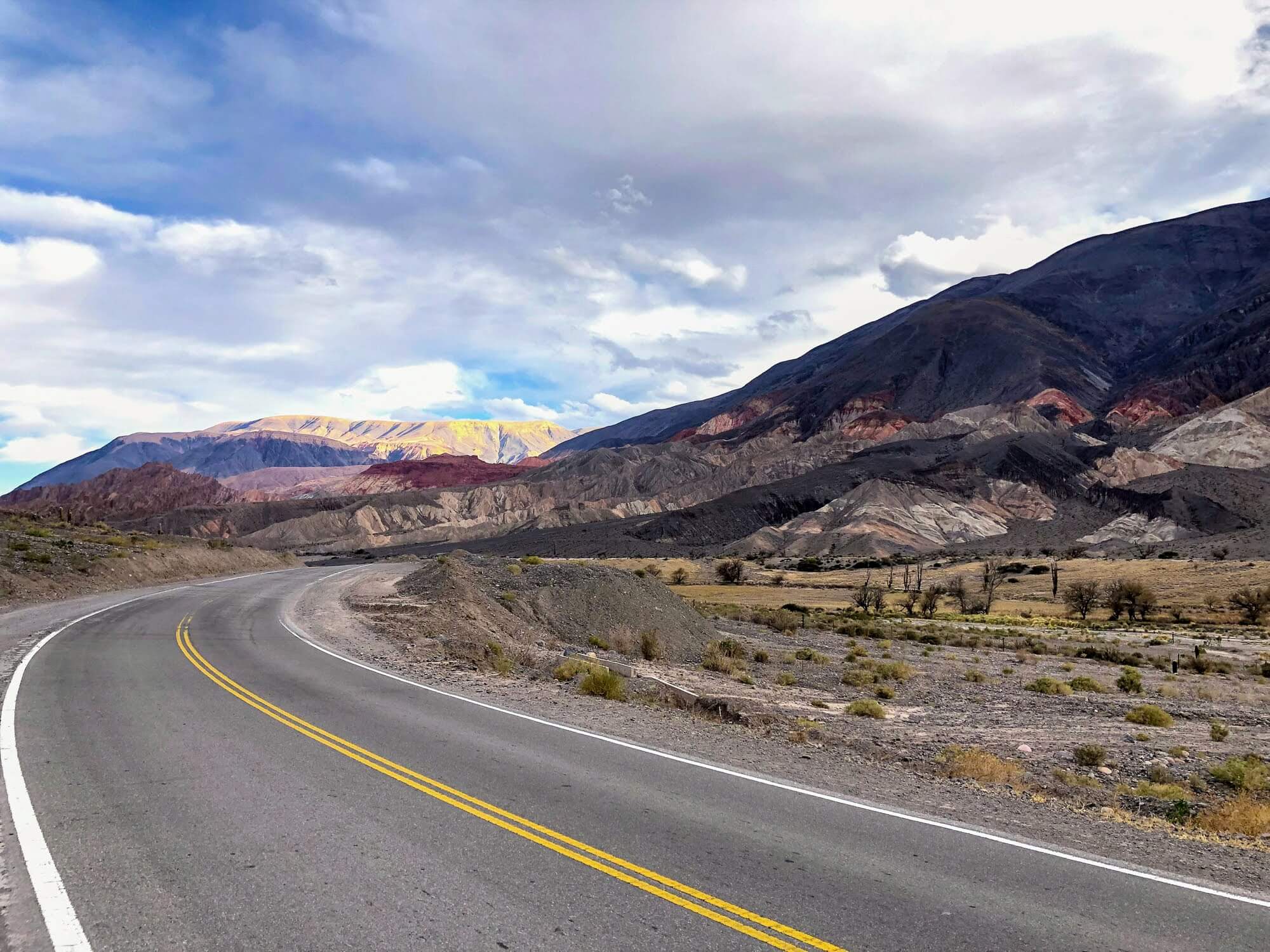
The approach is part of its attraction. Following National Route 51 through the Quebrada del Toro, you watch the scenery change as the road climbs towards the high plateau. It gives the railway journey a sense of context: by the time you reach the station, you have already begun to appreciate the distances and terrain that make transport here such an undertaking.
San Antonio de los Cobres is a highland town with a life of its own beyond the arrival and departure of the tourist train. Its setting introduces you to a different Argentina from the boulevards of Buenos Aires or the vineyards around Cafayate.
At the station, the blue carriages provide a cheerful contrast to the muted colours of the surrounding country. Once aboard, the pleasure is straightforward: settle into your seat and watch the landscape unfold.
The railway crosses open Puna scenery on its way towards La Polvorilla. There is space here for your eye to wander—from the track beside the carriage to distant slopes and the changing contours of the plateau.
This is a journey to enjoy at the railway’s pace. Put the camera down occasionally; the impression of travelling through such an expansive landscape is as memorable as any photograph.

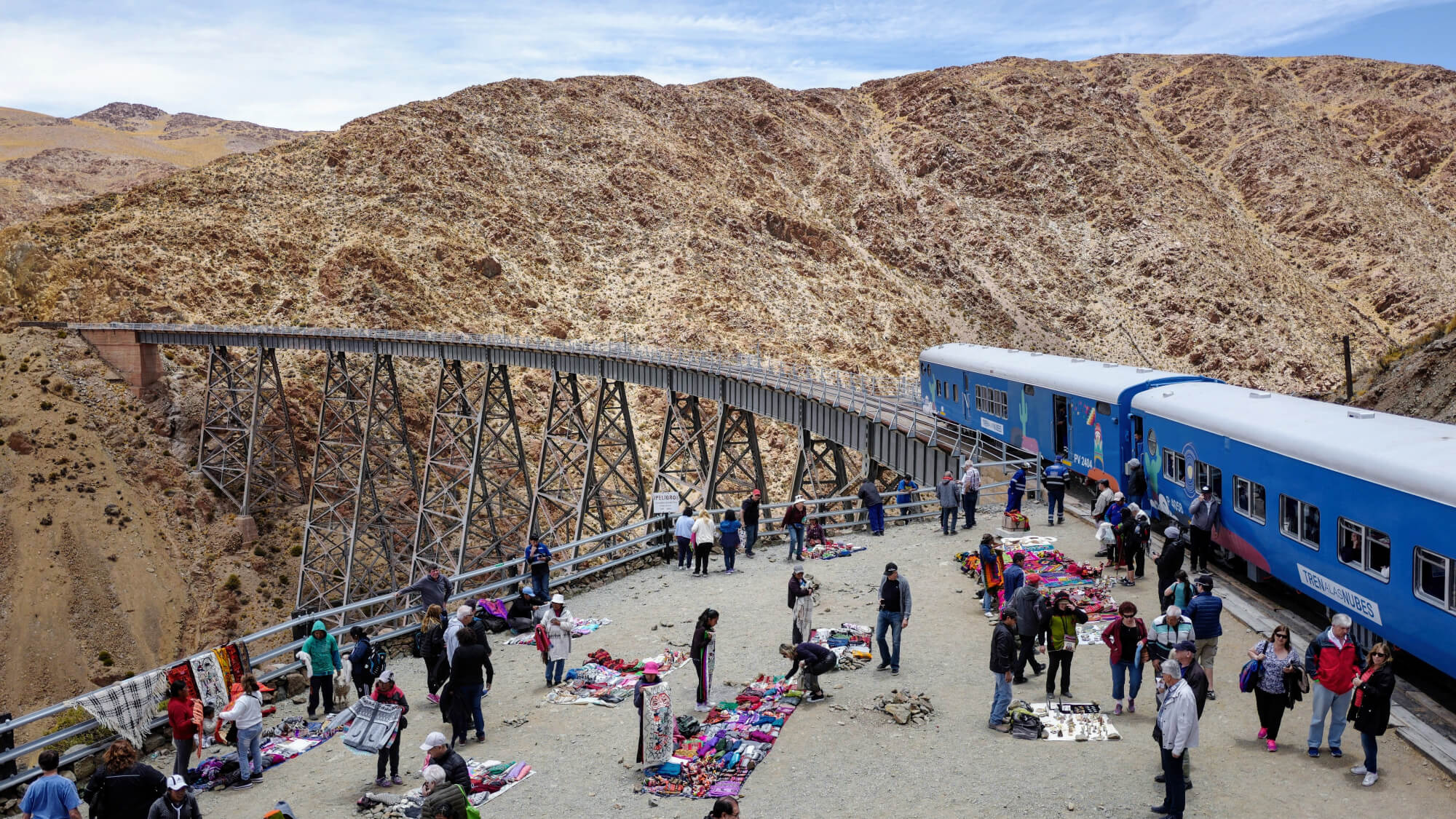
The approach to La Polvorilla Viaduct is the moment many passengers have been waiting for. The steel structure carries the railway across a ravine, its curve revealing the relationship between the line and the land it crosses.
Seen in photographs, it is an impressive bridge. Seen from the train, it becomes a practical answer to a formidable geographical problem.
At this altitude, even a short visit feels far removed from everyday life. The combination of open country, mountain air, and railway engineering gives the place its particular character.
The excursion includes a stop in the viaduct area before the train returns to San Antonio de los Cobres. Follow the crew’s directions throughout the visit, particularly when leaving and reboarding the carriages.
The name has a story rooted in the age of steam.
According to the railway’s official history, filmmakers travelling on the line in the 1960s captured a locomotive releasing steam at La Polvorilla. In the cold air, the vapour lingered around the engine. That image inspired the title “Tren a las Nubes,” which the railway later adopted for its tourist service.
The first official tourist journey took place on 16 July 1972.
Knowing the story adds something to the experience. The name preserves an image from the railway’s working past, while today’s passengers come to discover the landscapes that made that image possible.
Altitude deserves thoughtful preparation. Much of the ascent takes place on the road journey before you board the train, and being physically fit does not prevent altitude illness.
Discuss the itinerary with a healthcare professional before travelling, particularly if you have a heart or lung condition or have previously experienced problems at altitude. During the excursion, take things gently and tell your guide or the onboard staff promptly if you feel unwell.
For the day itself, bring warm layers, sun protection, comfortable footwear, and a charged camera. Keep essentials in a small day bag so they are easy to reach.
Allow a full day when travelling from Salta. Railway schedules and arrangements can change, and adverse mountain weather may affect operations.
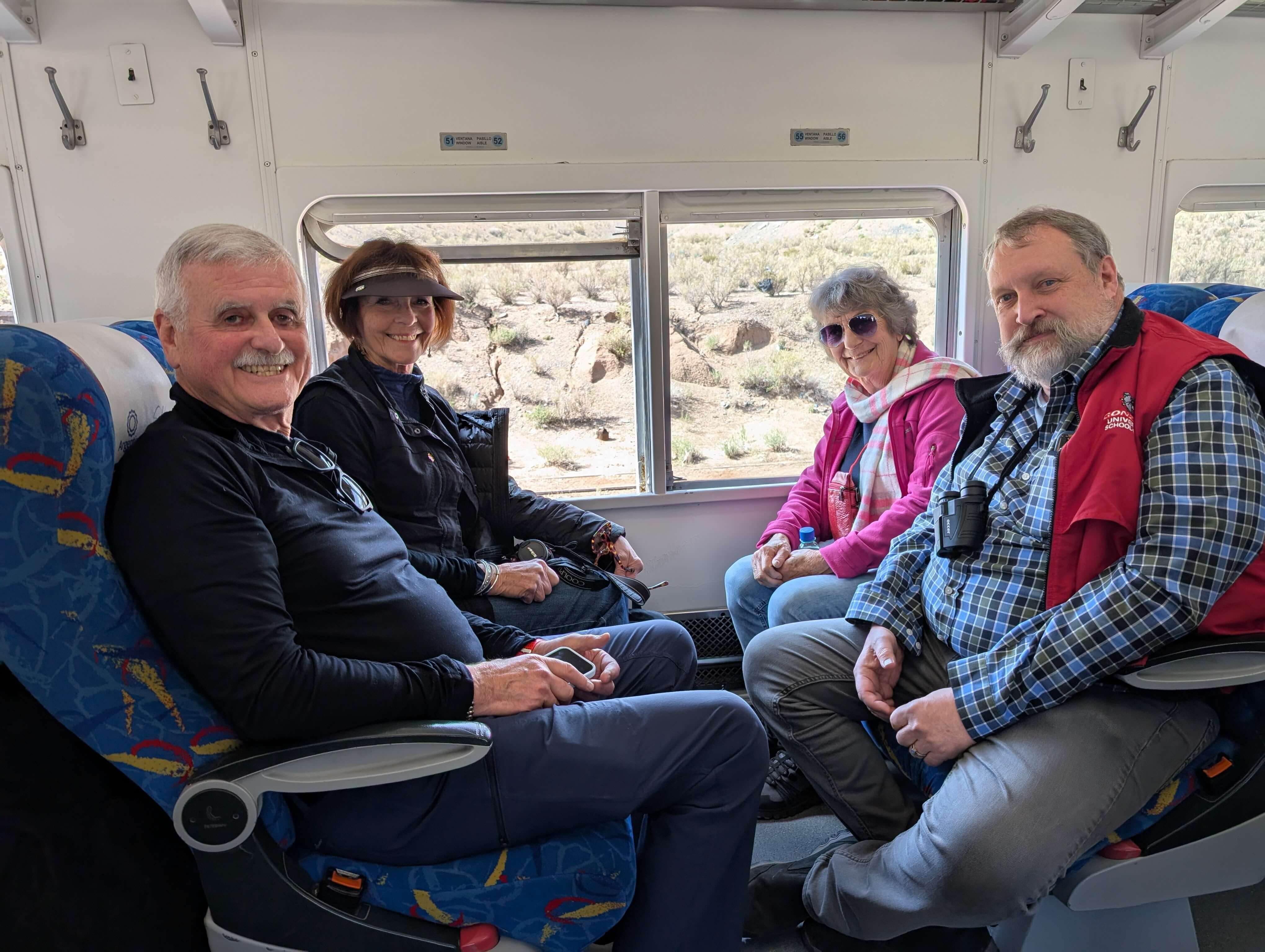
The Tren a las Nubes is included in our Buenos Aires to Lima – Andean Expedition, linking the landscapes of northern Argentina with the wider journey through Bolivia and Peru.
After Buenos Aires and the wine country of Cafayate, the Puna introduces another side of the continent. Beyond Argentina lie the Uyuni Salt Flats, La Paz, Lake Titicaca, Cusco, and Machu Picchu—places with their own histories, communities, and distinctive ways of travelling.
Within that journey, the Train to the Clouds offers something wonderfully direct: a seat aboard a remarkable railway, time to look out of the window, and a closer encounter with the high Andes.