


I recently wrote about the rich world of rum — its origins, its craftsmanship, and its deep roots in Caribbean culture — inspired by our Colombia & Panama: Rails, Rum and Coffee journey.
If Colombia and Panama aren’t yet on your travel list, consider adding them. These two countries reveal their heart not only through landscapes and rail journeys, but also through the warmth of their rum and coffee traditions. I can safely say: you’ll have tremendous fun discovering both.
What Exactly Is Rum?
Rum is an age-old spirit crafted through the fermentation and distillation of molasses or fresh sugarcane juice. While the Caribbean remains its spiritual centre, distillers in Asia and South America also keep the craft alive.
Its character changes with technique, climate, and tradition, giving every region a distinct personality.
A Brief History of Rum
The story of rum begins long before the Caribbean era. Ancient Greeks experimented with fermented sugarcane beverages, and Marco Polo described a “delicious sugar wine” enjoyed in Persia in the 14th century.
Sugarcane later spread into southern Europe through Arab merchants, and the Kingdom of Granada became the first European region to produce a sugarcane spirit.
But it was in the Caribbean that rum truly came into its own.
On Barbados in 1650, English settlers described a fiery sugarcane drink called kill-devil or rumbullion.
The French spoke of guildive and later tafia.
The word rum appears officially for the first time in Jamaica on July 8, 1661.
The Caribbean: Birthplace of Modern Rum
By the 17th century, enslaved workers on Caribbean plantations had discovered that molasses — the thick byproduct of sugar refining — fermented naturally. Distillation transformed this into what we now recognise as rum.

Because beer and fresh water spoiled quickly on ships, rum became the preferred drink for sailors. By 1655, the British Navy adopted rum as part of its official ration, helping spread Caribbean rum’s fame across Europe.
What Makes a Good Rum?
The hallmark of fine rum is time.
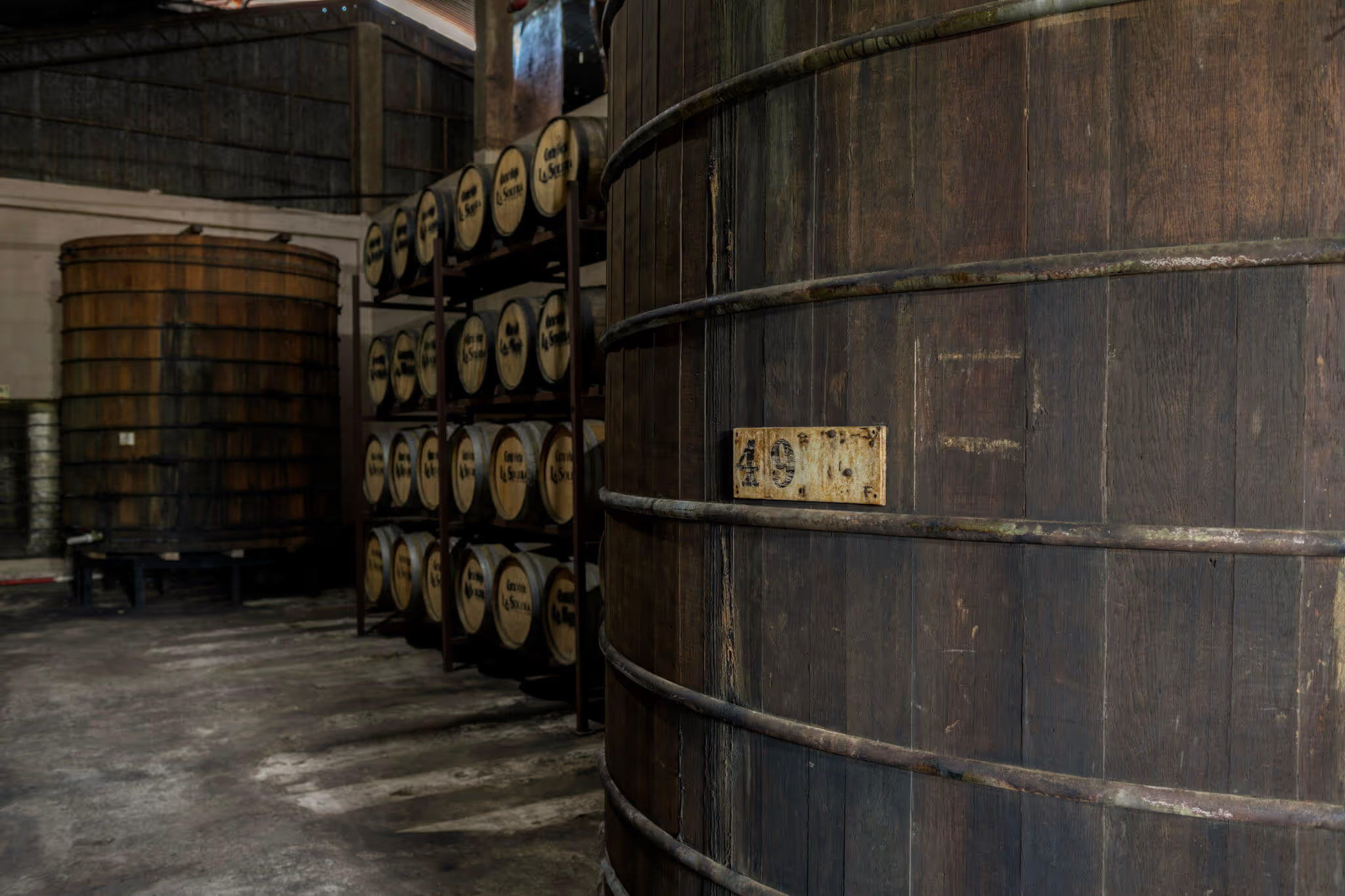
As the spirit rests in wooden barrels — often ex-bourbon or cognac casks — it develops deeper aromas, a smoother character, and its classic amber tone.
Some producers add caramel colouring to mimic extended aging, while “white rum” may rest quietly in steel or oak before being filtered clear.
Wherever it’s made, rum remains a beautiful expression of climate, craft, and culture.
Rum in Colombia & Panama — and Distilleries You Can Actually Visit
During our Colombia & Panama: Rails, Rum and Coffee journey, guests experience rum not just as a drink but as a cultural touchpoint — meeting the families, regions, and traditions behind it.
Both countries now produce exceptional rums, and several distilleries welcome visitors.
• Artisan Rum Experience – Hacienda Venecia (Coffee Region)
Set amid rolling coffee hills near Manizales, this visit offers a fascinating introduction to rural Colombian rum-making. Guests learn how panela-based spirits are fermented and distilled and enjoy an authentic tasting in a scenic hacienda setting.
• Ron Medellín – Private Tasting in Medellín
While the factory itself does not run daily public tours, private tastings can be arranged through official partners. It’s a comfortable, curated way to sample one of Colombia’s most respected rums during your stay in Medellín.
These stops add depth to the journey by highlighting how Colombia’s landscapes and traditions shape its unique approach to rum.
• Ron Abuelo – Hacienda San Isidro (Pesé)
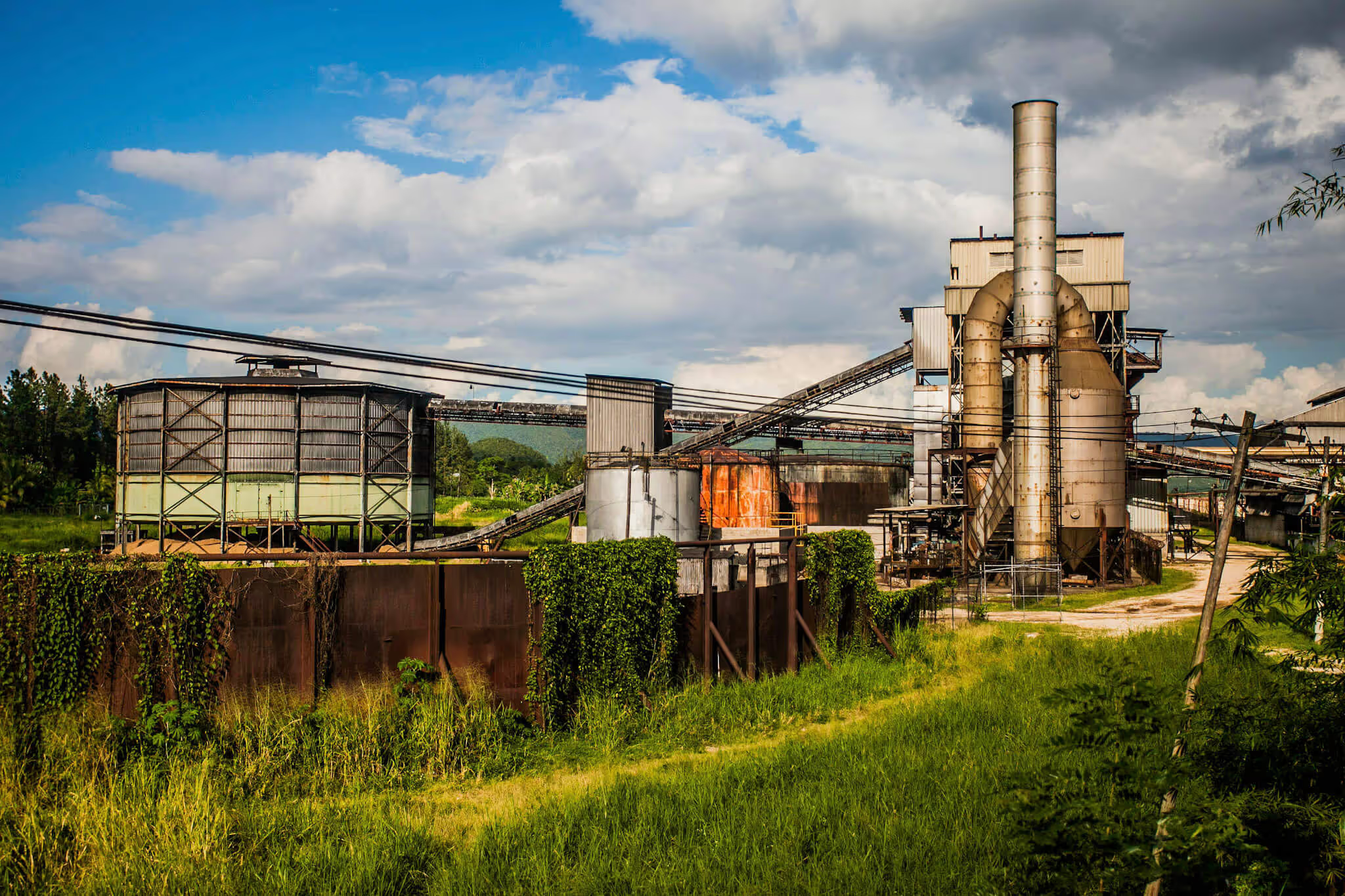
This is Panama’s flagship rum visit — beautifully organised and steeped in tradition. Guests explore the sugarcane fields, fermentation rooms, copper stills, and ageing warehouses before enjoying a premium guided tasting. It’s a highlight for anyone who appreciates craftsmanship.
• Pedro Mandinga Distillery – Casco Viejo, Panama City
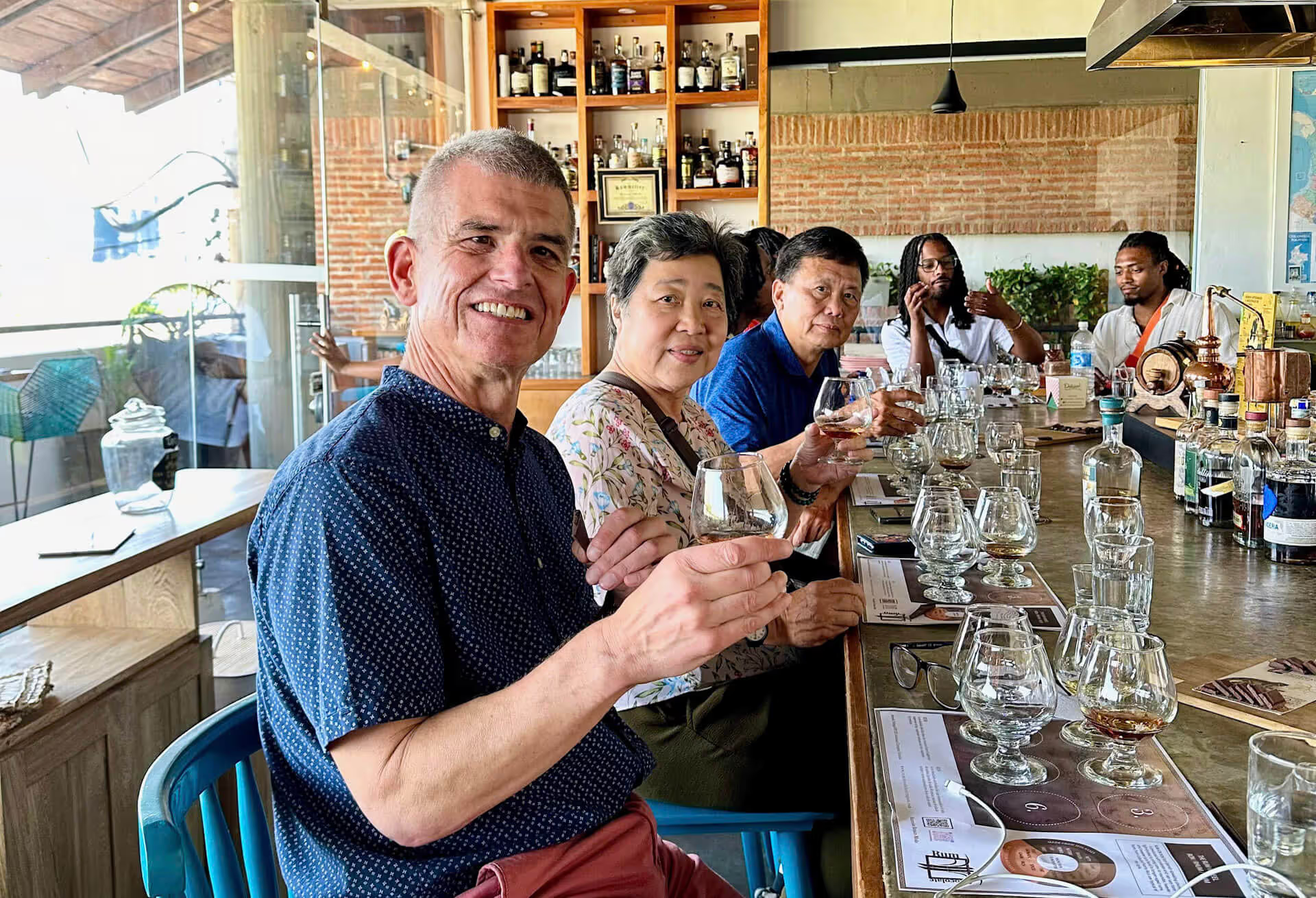
A charming small-batch distillery in the heart of the old town. Visitors meet the distillers, learn about raspadura-based rum, and taste their artisanal blends in a warm, inviting bar. It pairs perfectly with an afternoon walking tour of historic Panama City.
Experience Rum Where It’s Born
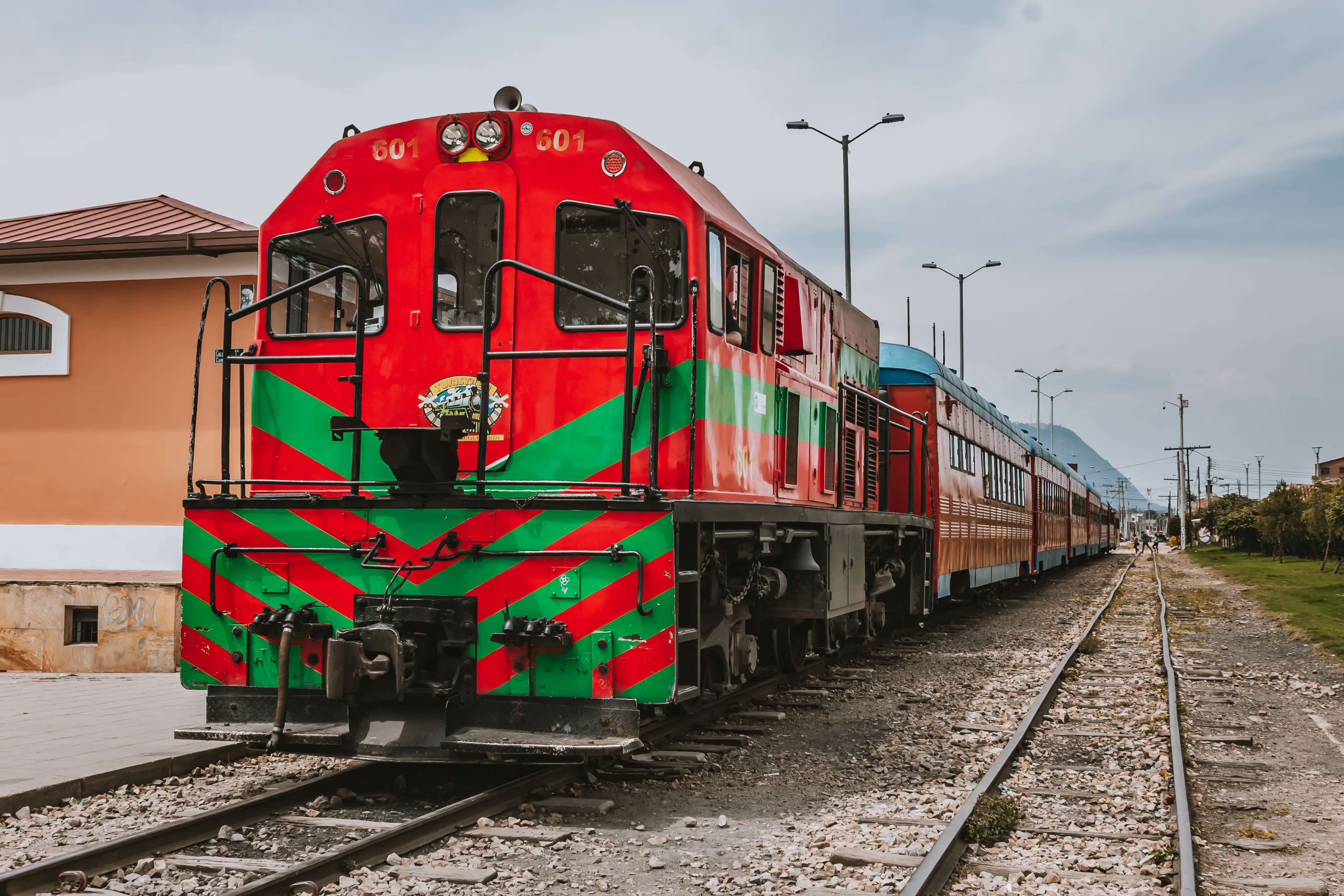
If you enjoy culture, tradition, and the pleasure of discovering new flavours, Colombia and Panama offer a memorable combination.Join us, and experience two fascinating countries through their landscapes, their railways, their people — and their remarkable rum.


.svg)
