


There are few cities in the world as visually dramatic, culturally layered, and emotionally powerful as La Paz.
Set high in a vast Andean bowl at more than 3,600 meters above sea level, La Paz is not merely a destination — it is an experience that reshapes how travelers understand South America. Ancient traditions endure alongside bold modern ideas, while everyday life unfolds beneath snow-capped peaks and impossibly steep streets.
For travelers exploring the Andes — whether independently or as part of a longer journey such as our Buenos Aires to Lima – Andean Expedition — La Paz stands as one of the continent’s most unforgettable cities.
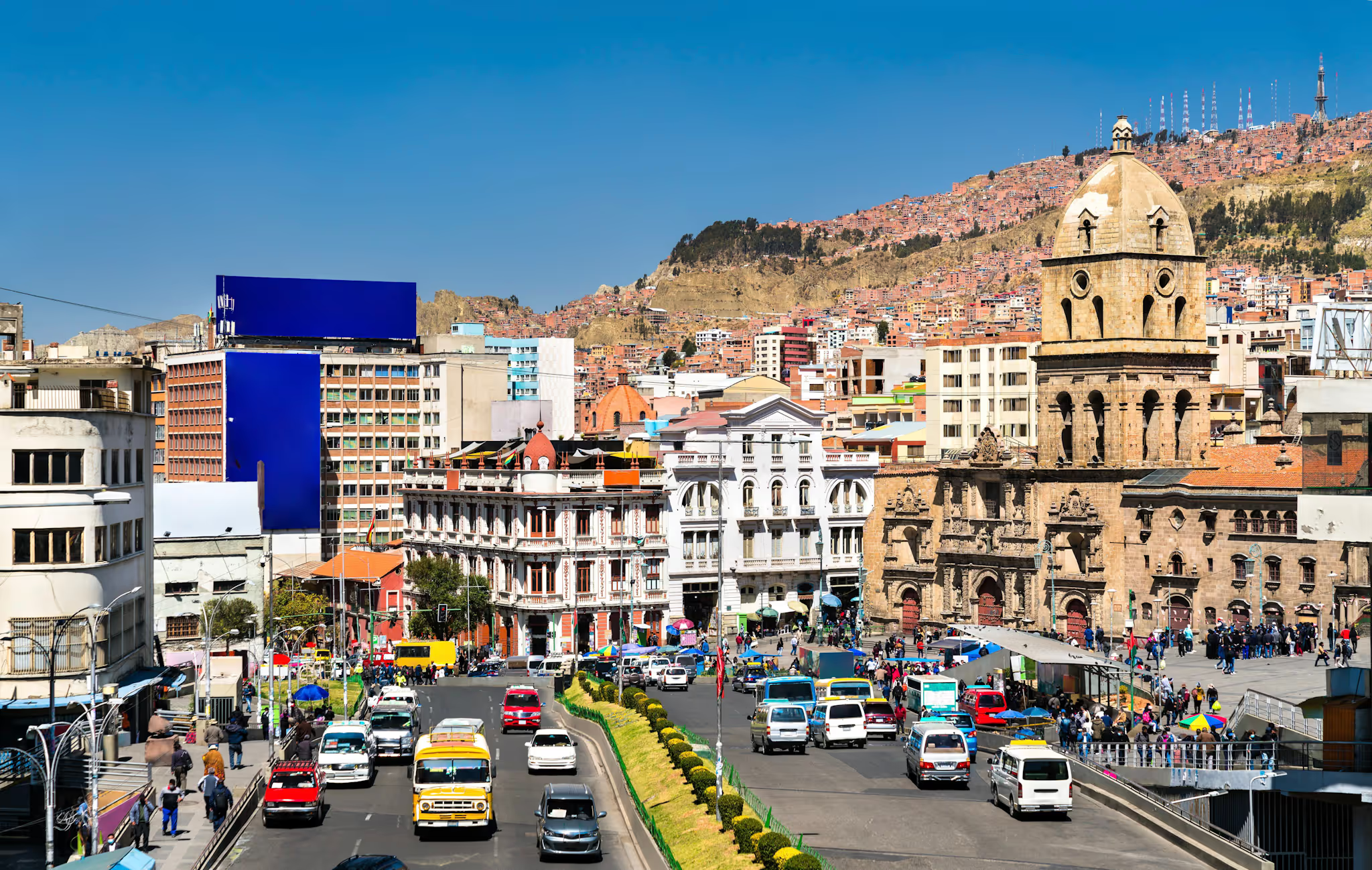
One of the most remarkable things to do in La Paz is also one of the most practical.
Mi Teleférico is the world’s largest urban cable-car network, linking La Paz with El Alto through a web of aerial lines. What might elsewhere be simple public transport becomes here a moving viewpoint — a quiet glide above markets, neighborhoods, and daily life.
From the cabins, the city reveals itself in layers: red-brick homes clinging to hillsides, vendors setting up stalls below, and Mount Illimani rising in the distance. It is one of the best introductions to La Paz and a powerful reminder that innovation here grows directly from geography.
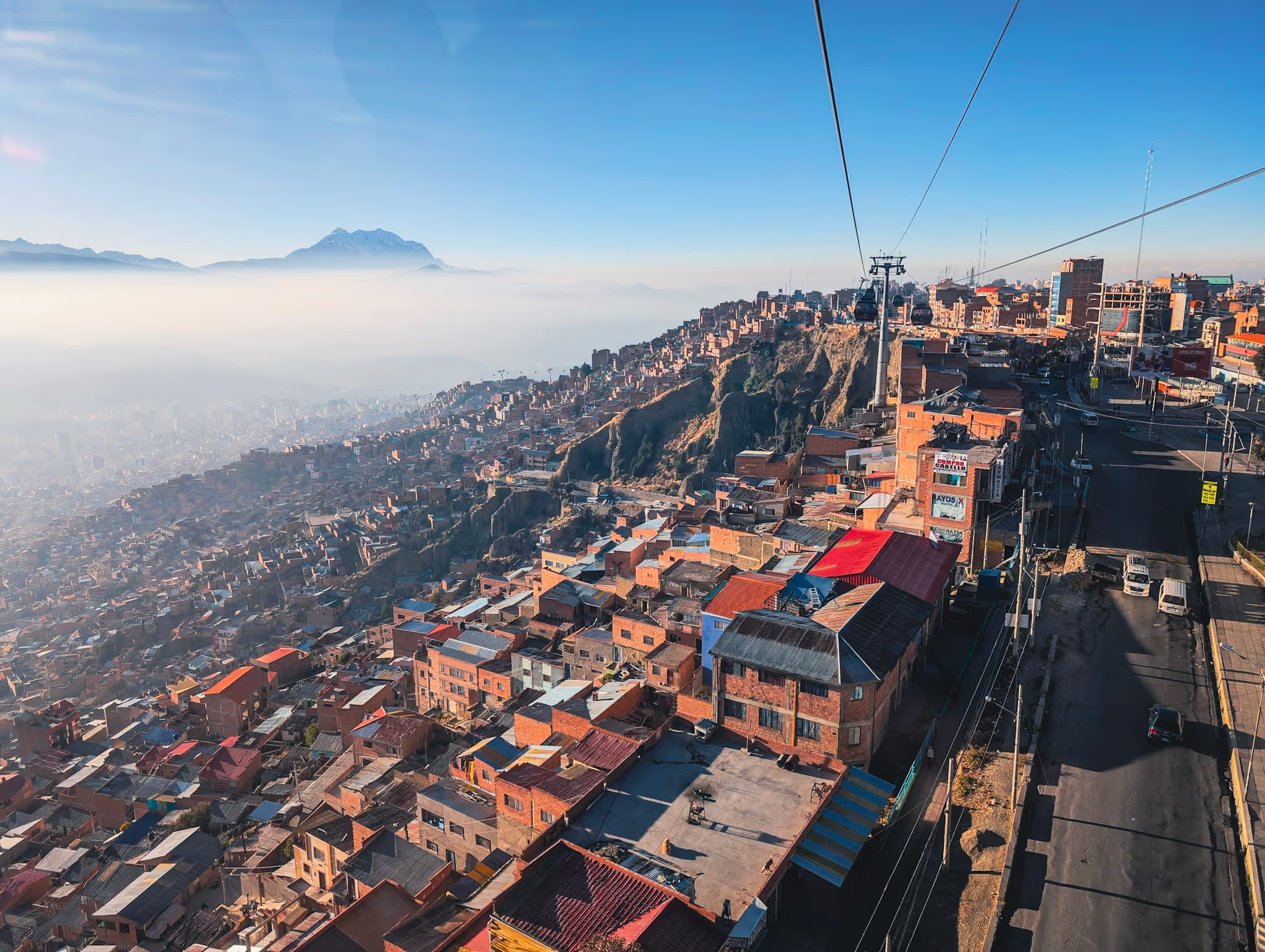
Few places capture the spirit of La Paz as vividly as the Witches’ Market.
Known locally as Mercado de las Brujas, this is not a tourist performance but a living center of Aymara spiritual tradition. Stalls sell medicinal herbs, ritual offerings, protective amulets, and symbolic objects used in blessings and ceremonies dedicated to Pachamama — Mother Earth.
For visitors, the market offers rare insight into how ancient belief systems continue to shape modern Bolivian life, quietly and without apology.
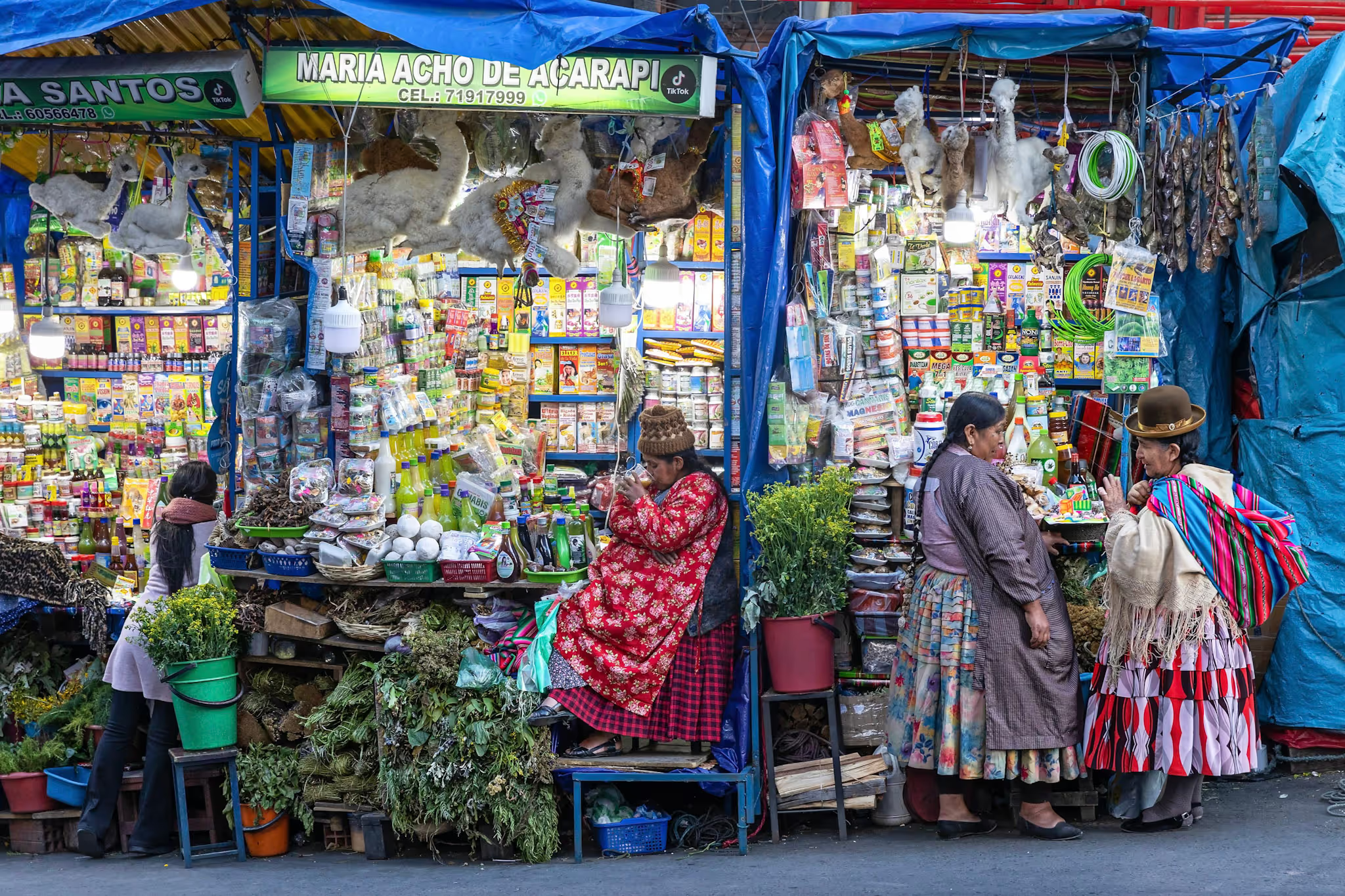
La Paz’s cultural identity is expressed not only in markets and rituals, but also in contemporary art.
The work of Mario Sarabia stands out for its emotional depth and reverence for indigenous heritage. His paintings often explore memory, spirituality, and Andean identity, blending symbolism with realism in ways that feel both timeless and deeply personal.
Encountering Sarabia’s work offers travelers a more intimate understanding of Bolivia — one shaped by history, resilience, and pride.
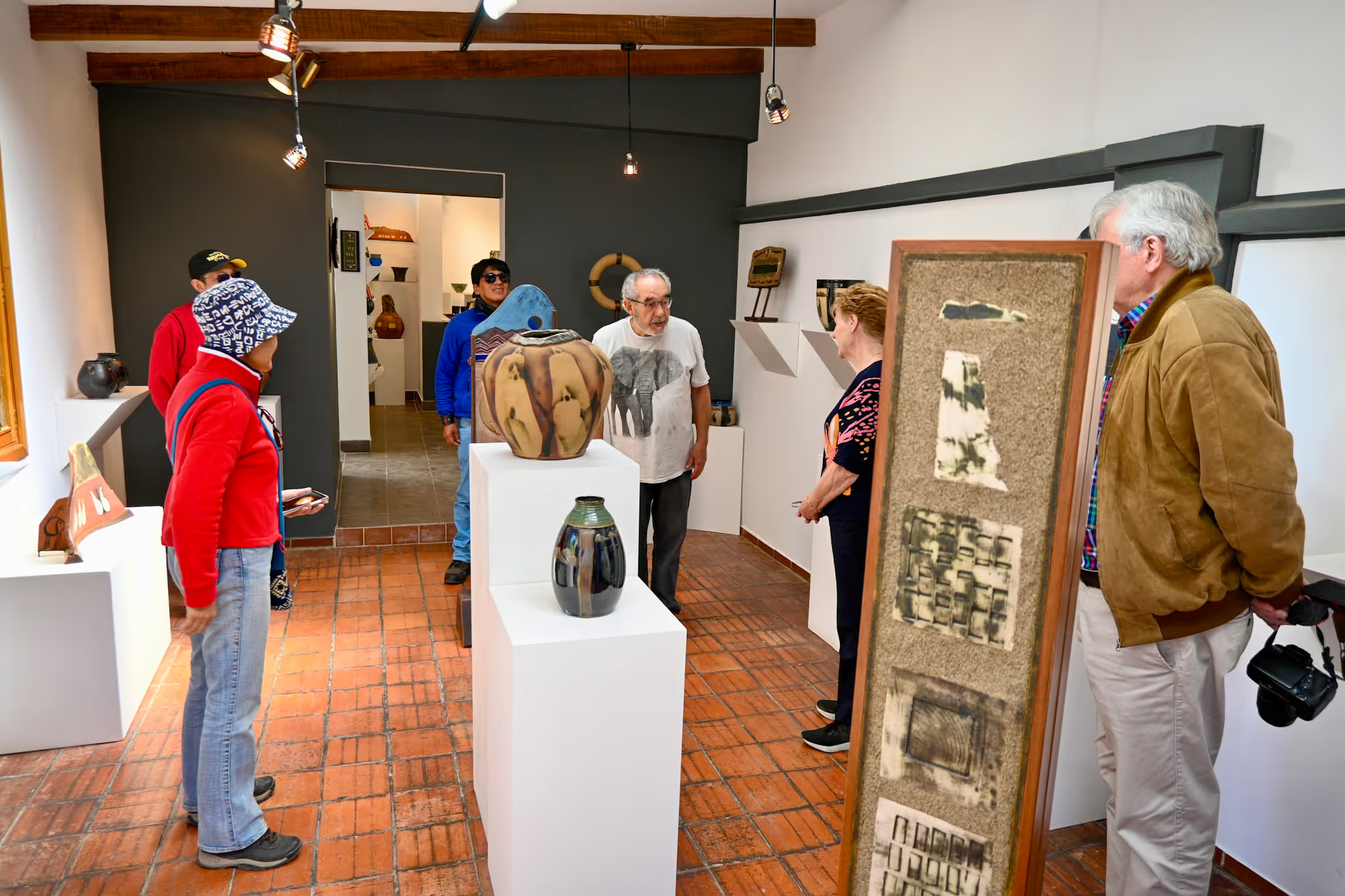
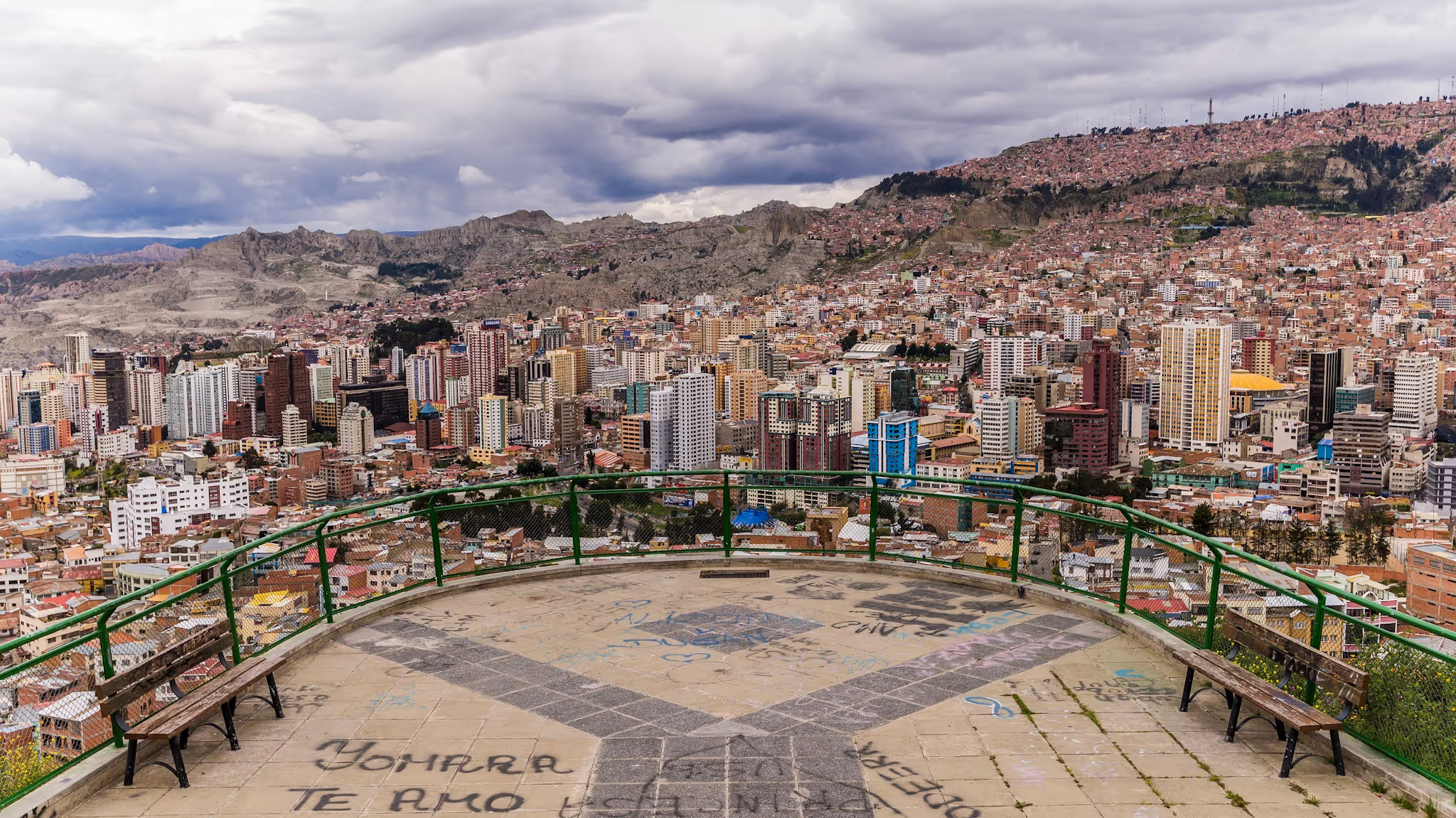
For panoramic views of La Paz, nothing compares to Killi Killi Viewpoint.
From this hilltop lookout, the city spreads out in full: the deep bowl of La Paz below, El Alto stretching across the plateau above, and — on clear days — Mount Illimani dominating the skyline. Visiting near sunset reveals the city in its most poetic light, as shadows lengthen and thousands of lights begin to glow.
It is one of the most memorable moments any visitor can experience in La Paz.
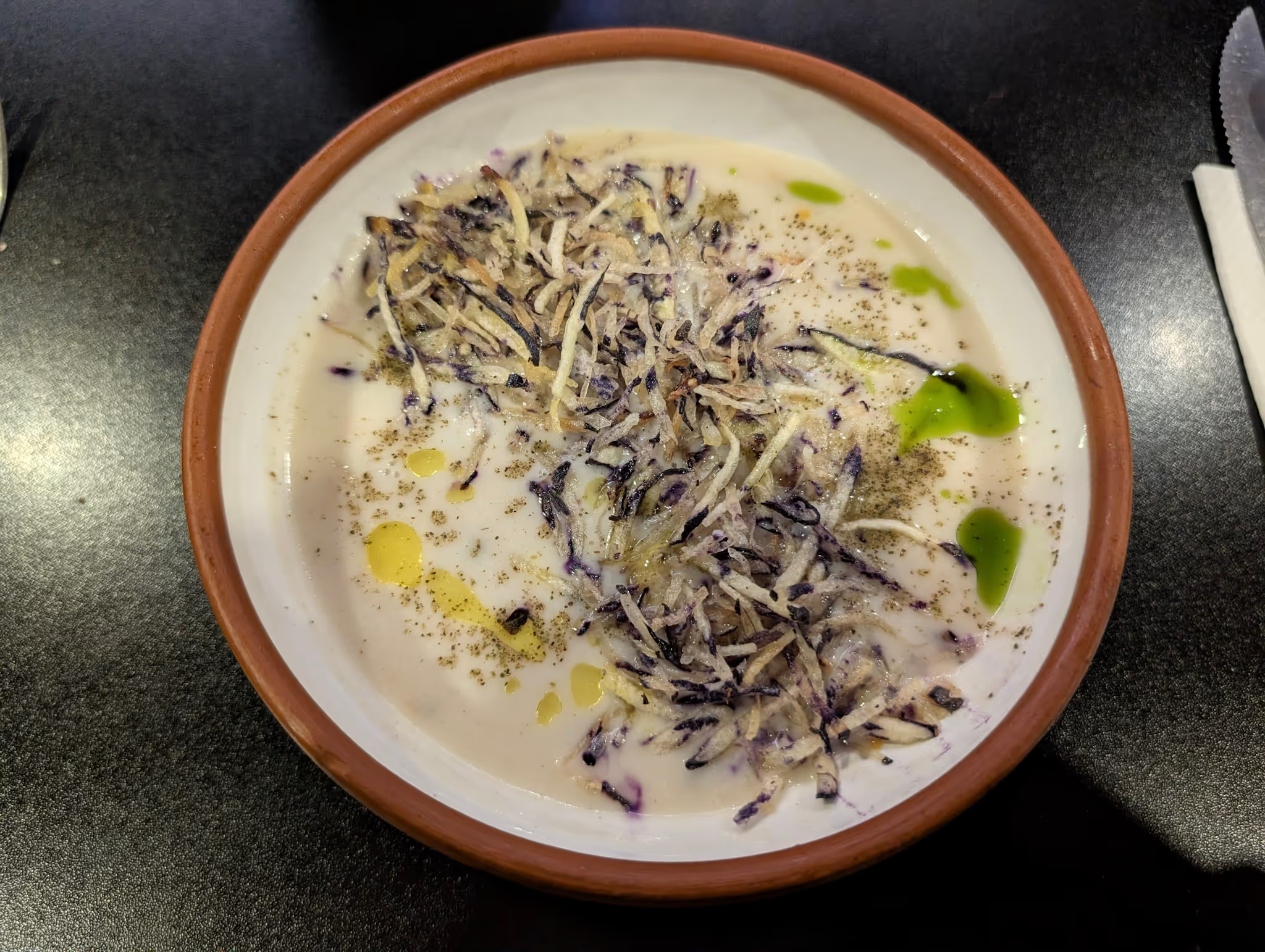
Among the best places to eat in La Paz, Manq’a stands apart.
More than a restaurant, Manq’a is a social initiative dedicated to training young Bolivians in culinary arts while celebrating native ingredients. The menu showcases Andean flavors — quinoa, local potatoes, herbs, and seasonal produce — presented with elegance and restraint.
Dining here reflects the city itself: thoughtful, rooted in tradition, and confidently forward-looking.
La Paz challenges expectations. It is demanding, deeply authentic, and richly rewarding — a city that asks visitors to slow down, observe, and engage.
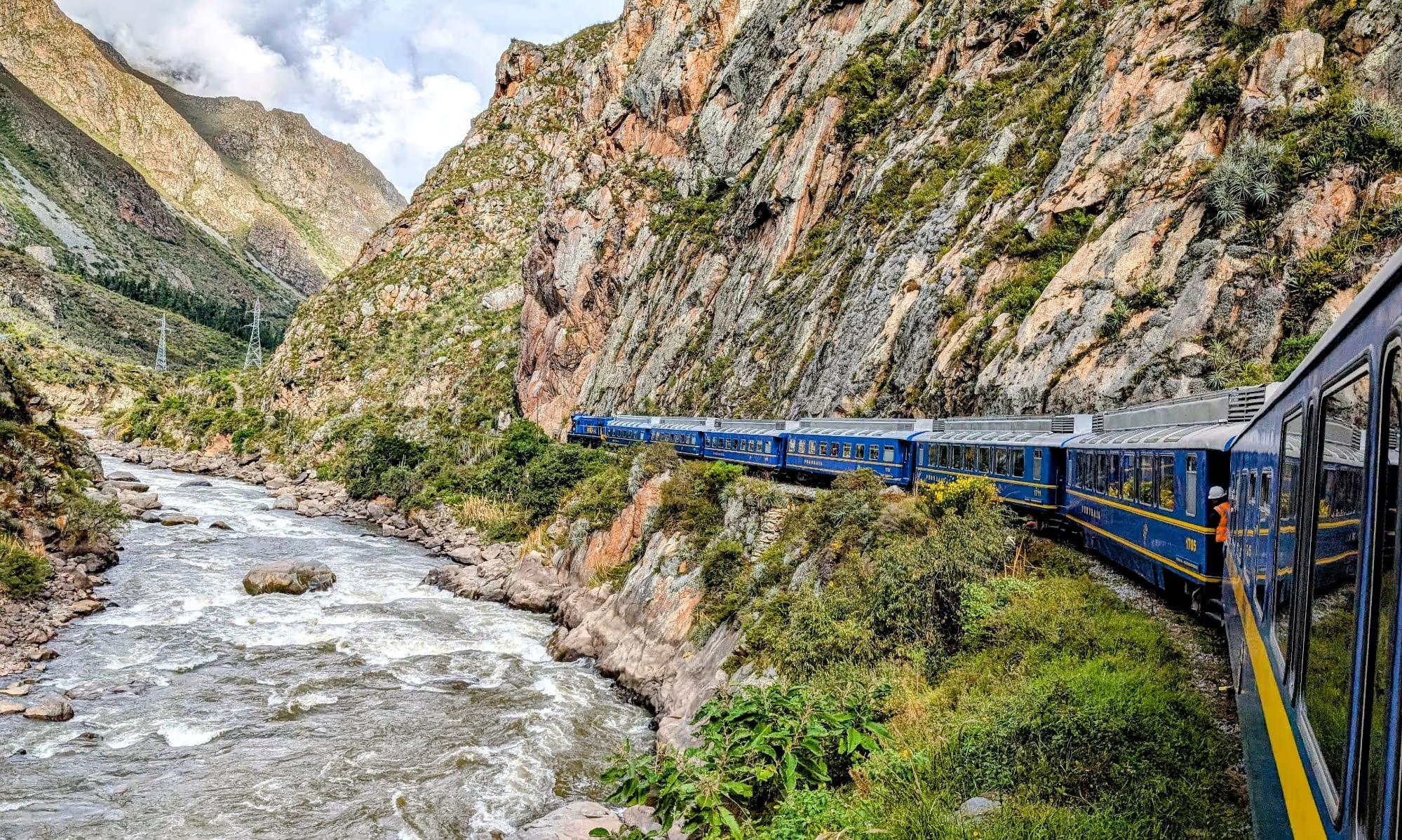
For travelers crossing South America from Argentina to Peru, La Paz forms a natural and meaningful bridge between regions. On our Buenos Aires to Lima – Andean Expedition, the city represents a turning point — where landscapes grow higher, cultures grow older, and the Andes begin to speak with full voice.
Even for those not yet planning a journey, La Paz remains one of South America’s most compelling destinations — a city that stays with you long after you leave.


.svg)
