


There are journeys that take you from one famous sight to another. And then there are journeys where the route itself becomes part of the experience.
Our Colombia & Panama – Rails, Rum & Coffee tour belongs firmly in the second category.
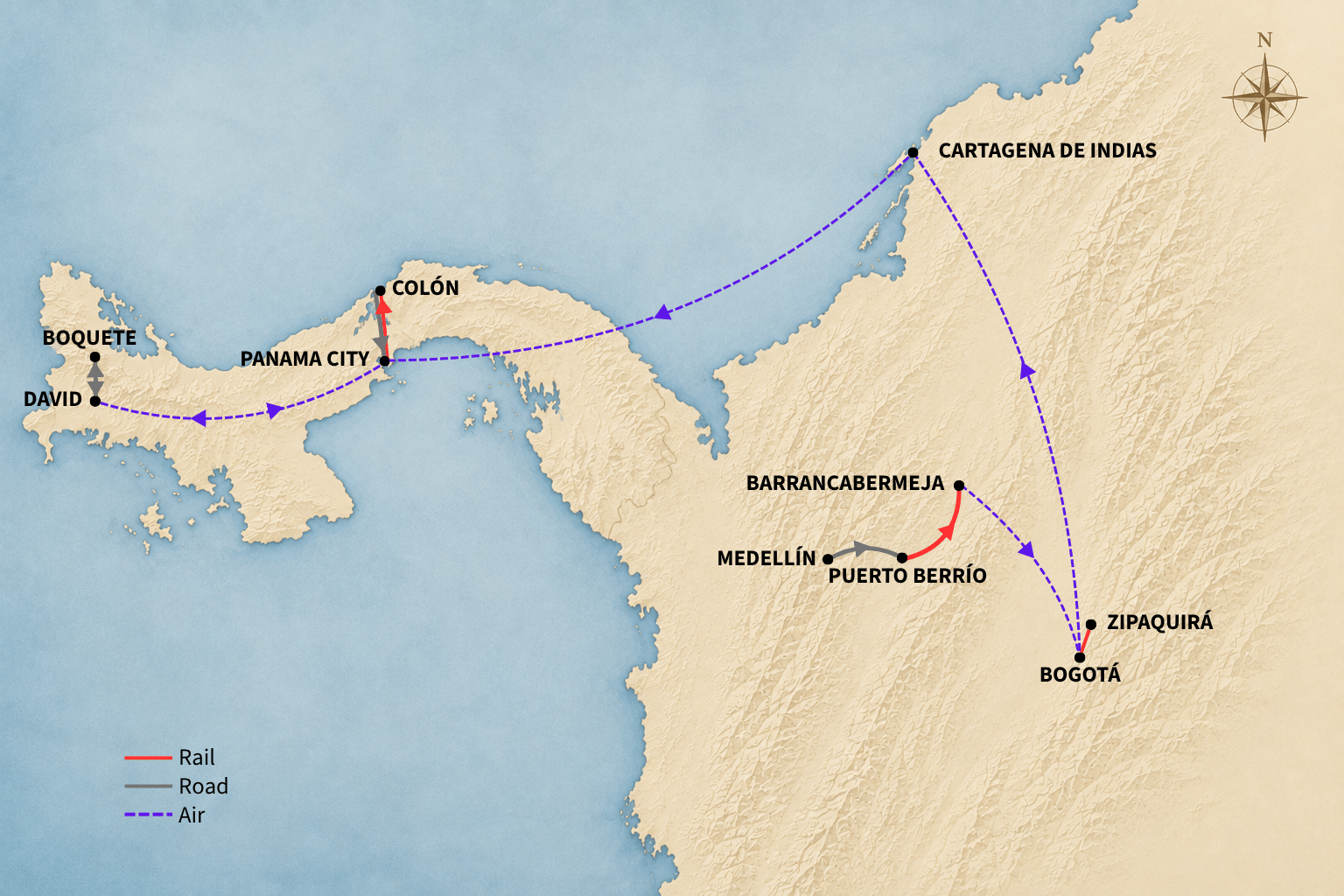
Beginning in Medellín, Colombia, and ending in Panama City, this 21-day escorted journey connects two fascinating neighboring countries through their landscapes, history, traditions and distinctive forms of transport.
Along the way, we visit coffee farms in the mountains of Colombia, travel into the colorful countryside around Guatapé, experience a historic railway near Bogotá, explore colonial Cartagena, discover the cool highlands of Boquete, venture into Panama's tropical rainforest and ultimately travel through part of the legendary Panama Canal itself.
It is not simply a tour of Colombia followed by a tour of Panama. The idea is to create one continuous journey through a part of Latin America where coffee, railways, Caribbean history, rum, rainforest and one of the world's greatest engineering achievements all have their own stories to tell.
Our journey begins in Medellín, a city that has undergone one of Latin America's most remarkable transformations.
Surrounded by green mountains, Medellín is an excellent introduction to modern Colombia. Rather than rushing through the city, we take time to understand how Medellín has changed and how transportation, urban development and social projects have reshaped life here.
But Colombia's famous coffee is never far away.
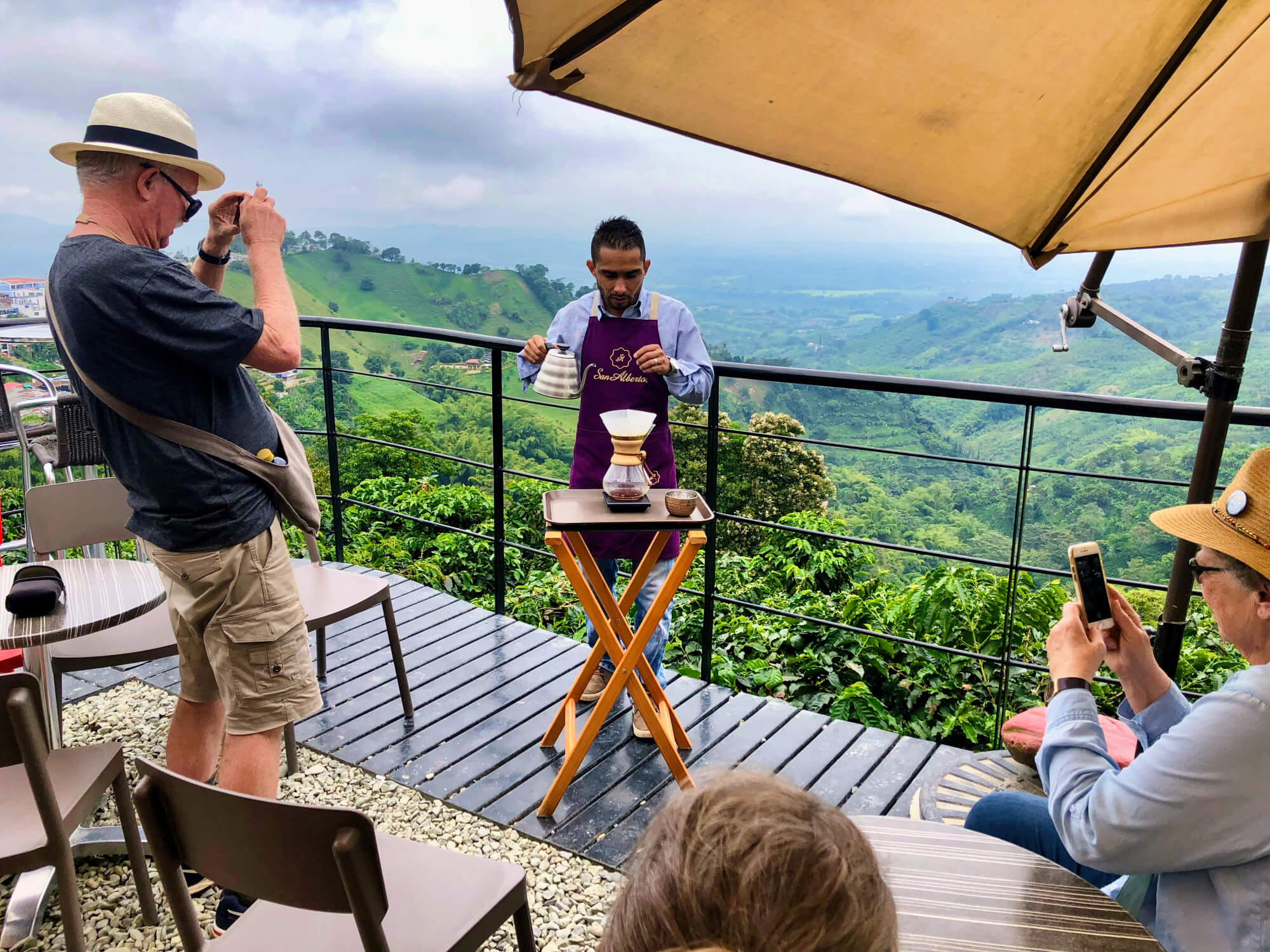
Many travelers associate Colombian coffee primarily with the traditional Coffee Triangle farther south. Yet excellent coffee is also cultivated in the mountains surrounding Medellín.
During our journey, we leave the city behind and visit the countryside to discover how Colombian coffee travels from the plant to the cup. Visiting a working coffee farm makes the familiar morning ritual suddenly much more interesting: altitude, climate, harvesting, processing and roasting all influence what eventually arrives in our coffee cup.
For travelers who enjoy understanding how things are made rather than simply consuming them, it is one of the most rewarding experiences of the journey.
From Medellín we continue into the countryside towards Guatapé, one of Colombia's most distinctive small towns.
Its streets are famous for colorful zócalos — decorative panels painted along the lower façades of houses — but the surrounding landscape is equally memorable.
The enormous reservoir surrounding Guatapé has created an extraordinary patchwork of islands, peninsulas and green hills. We explore this landscape by boat, seeing the region from the water rather than only from the road.
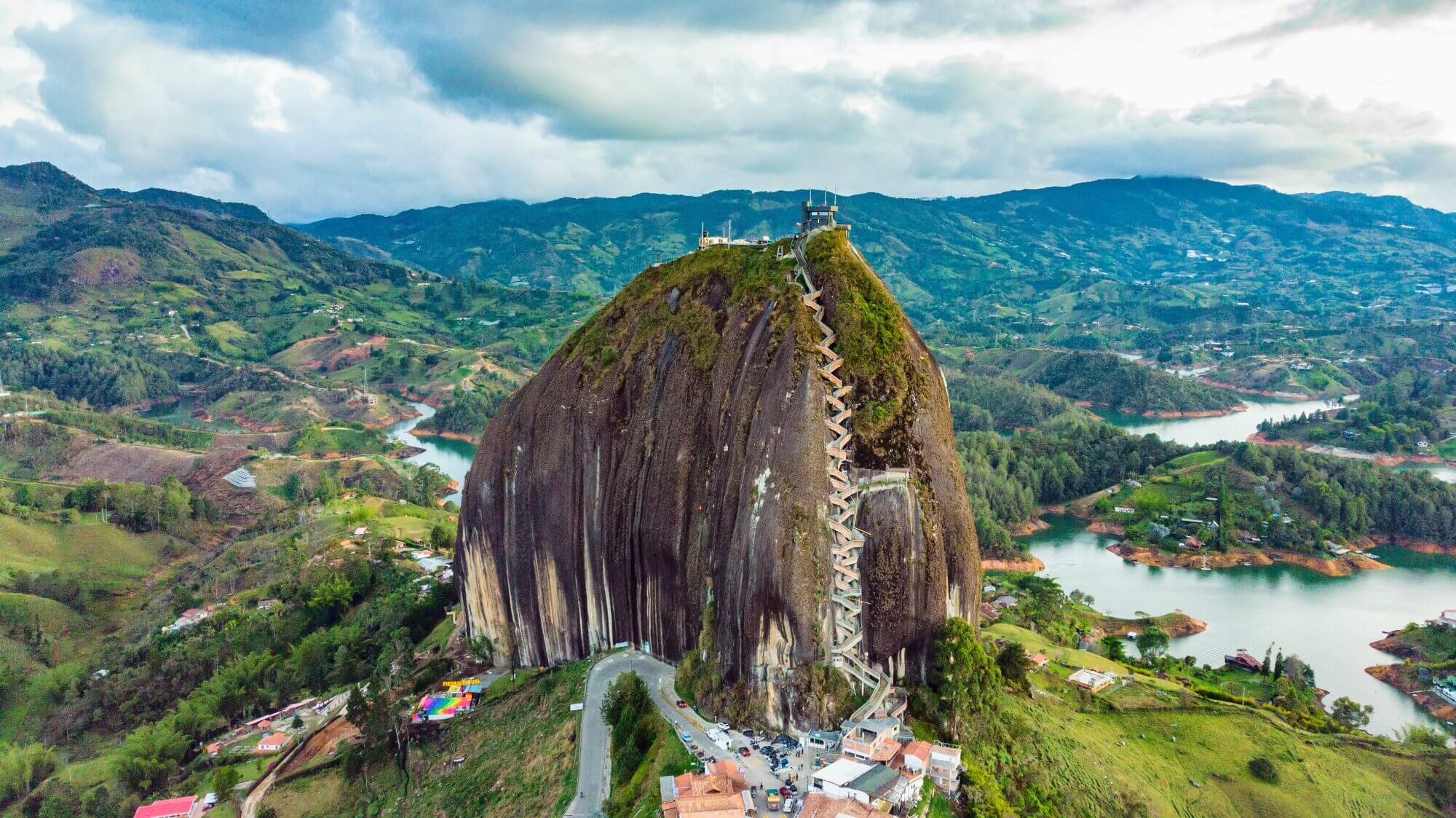
Nearby stands the immense rock of El Peñol, rising dramatically above the countryside. For energetic travelers, climbing the staircase to the summit is an optional challenge. Others can simply enjoy the remarkable landscape from below.
This combination is characteristic of the tour: there is plenty to experience, but not every experience requires strenuous activity.
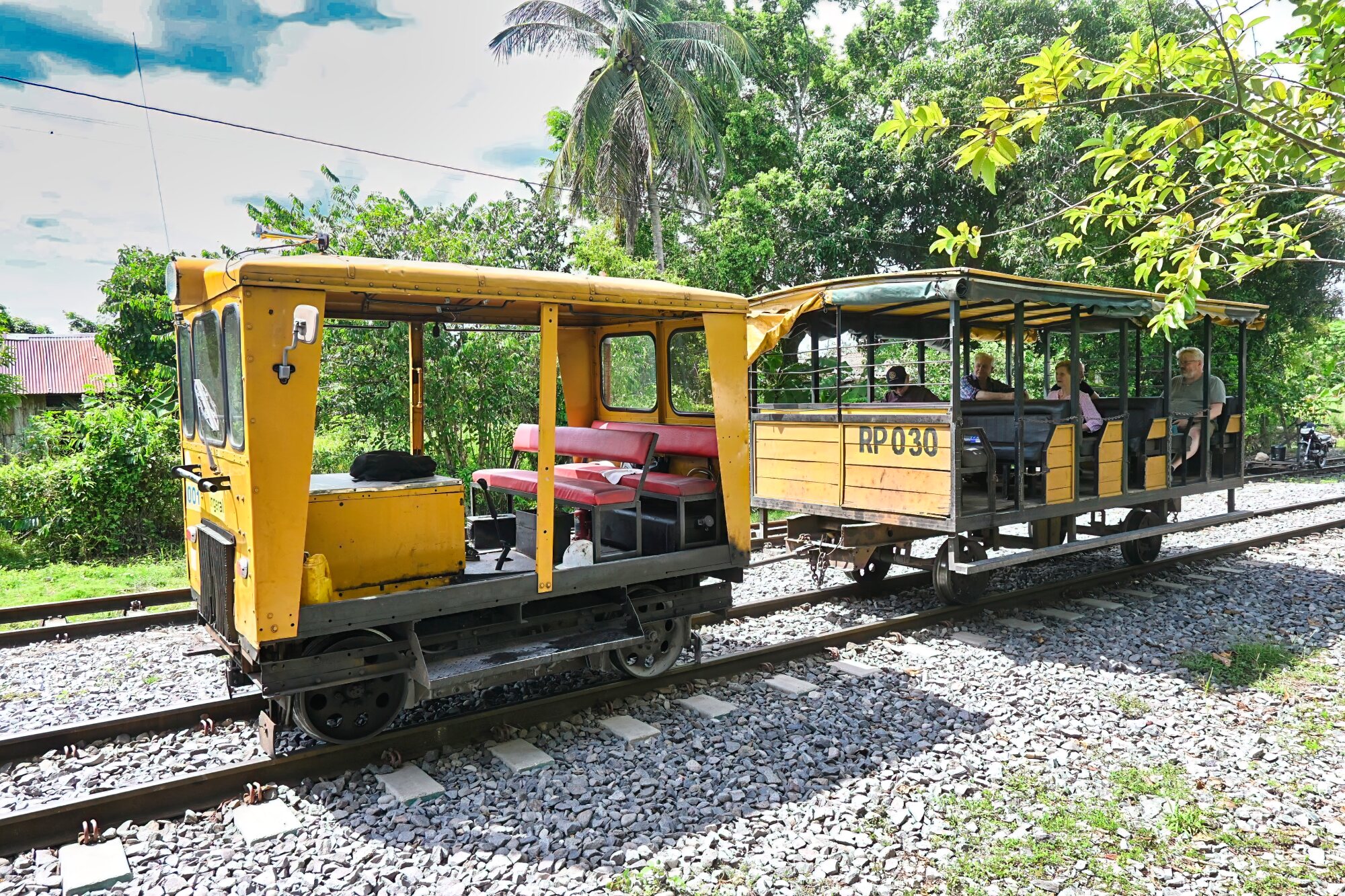
Leaving the better-known tourist routes behind, we travel into Colombia’s Magdalena River Valley for one of the most unusual railway experiences of the journey. Between Puerto Berrío and Barrancabermeja, a small local rail vehicle still travels along part of Colombia’s historic railway network — a very different experience from the polished tourist trains found elsewhere in the world.
The journey is simple, slow and wonderfully authentic. Tropical vegetation, small settlements and everyday life pass close beside the tracks as we make our way through a region that once depended heavily on the railway and the Magdalena River for transport and trade. It offers a glimpse of a Colombia that relatively few international visitors experience.
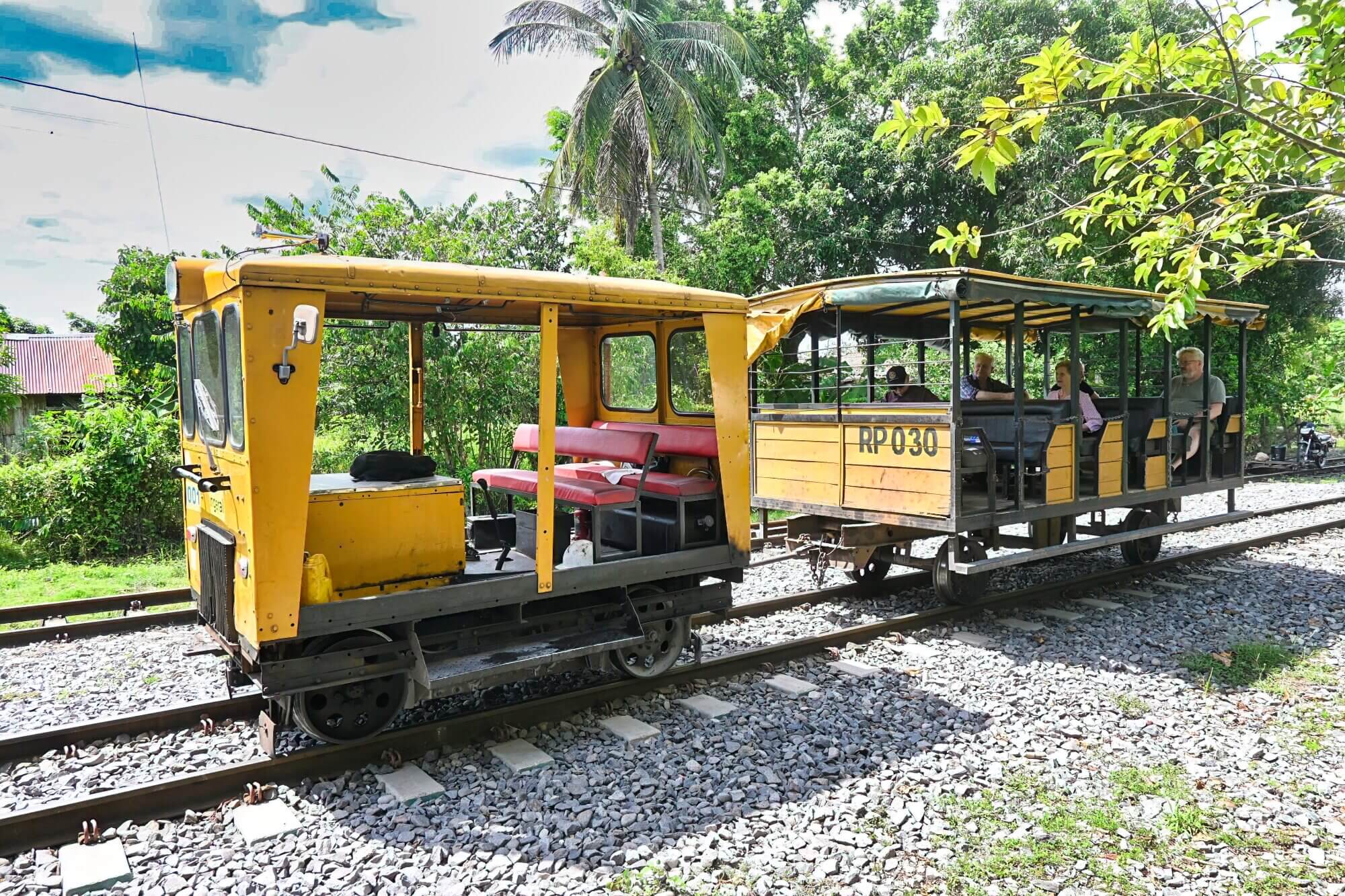
For us, that is precisely its appeal. This is not a luxury train journey, but a surviving piece of Colombia’s railway story — and one of those unexpected travel experiences that often becomes far more memorable than another conventional sightseeing stop.
Colombia once possessed a much more extensive railway network than it does today.
Mountains, difficult geography, road development and decades of changing transport priorities caused many lines to disappear. That makes the railway experiences that remain particularly interesting.
Near Bogotá, we travel aboard the historic Tren de la Sabana, a reminder of an era when railways played a much greater role in connecting the Colombian capital with the surrounding highlands.
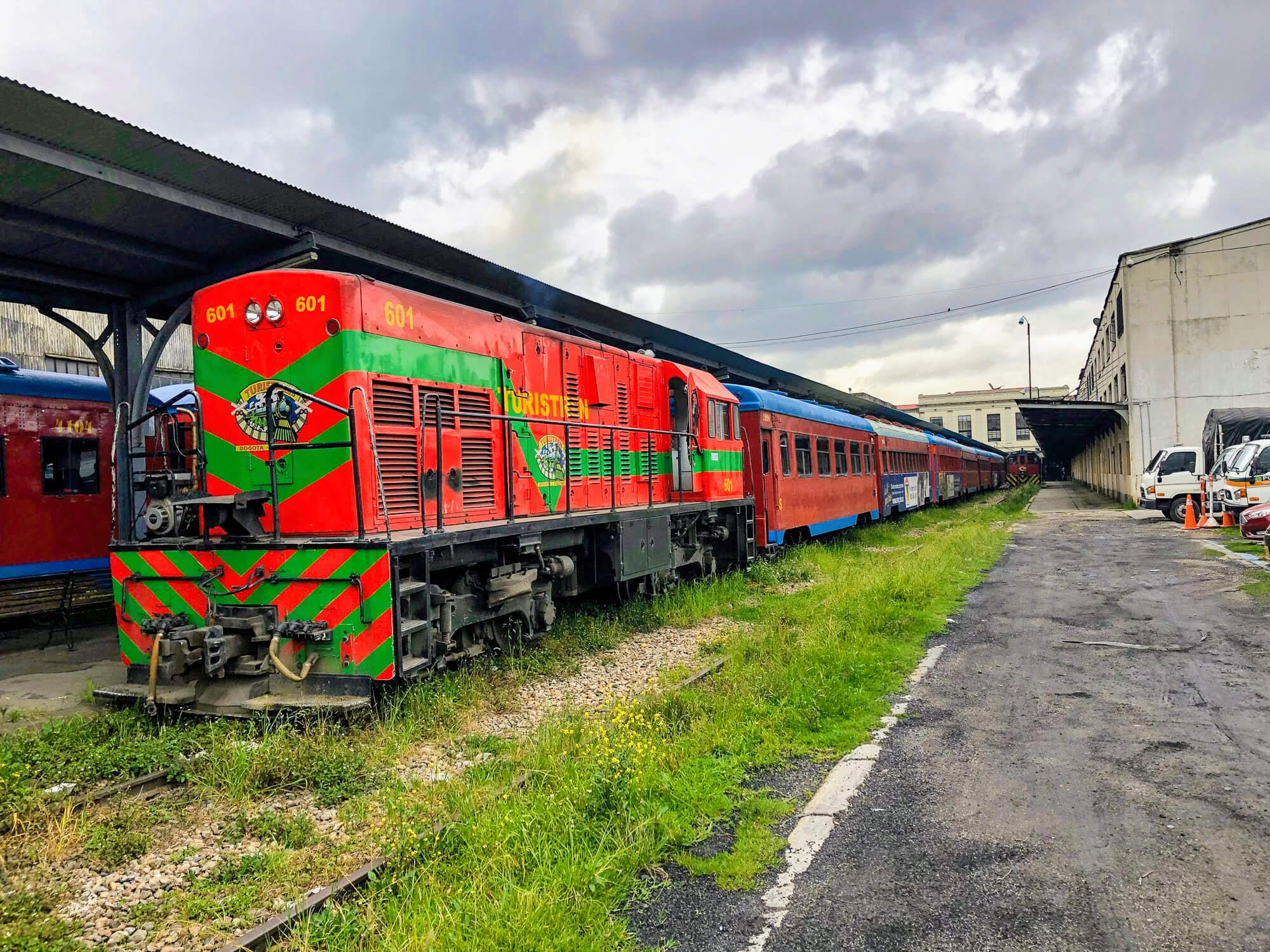
For railway enthusiasts, the train naturally has special appeal. But you do not need to be a dedicated railfan to enjoy it.
Historic trains tell us something about how a country developed. They show us how people traveled before highways and domestic aviation became dominant and allow us, for a few hours, to experience Colombia at a different pace.
Bogotá itself provides another contrast. Set high in the Andes, the capital combines colonial history, museums, busy modern neighborhoods and an unmistakably Colombian energy.
After the Andean interior, Cartagena de Indias feels like entering another world.
Warm Caribbean air replaces the mountain climate. Behind massive colonial walls are plazas, churches, balconies and narrow streets that reflect centuries of Spanish colonial history.
Cartagena was one of the most important ports in the Spanish Americas, and its strategic importance can still be seen in the fortifications surrounding the old city.
But Cartagena also introduces another theme of our journey: rum.
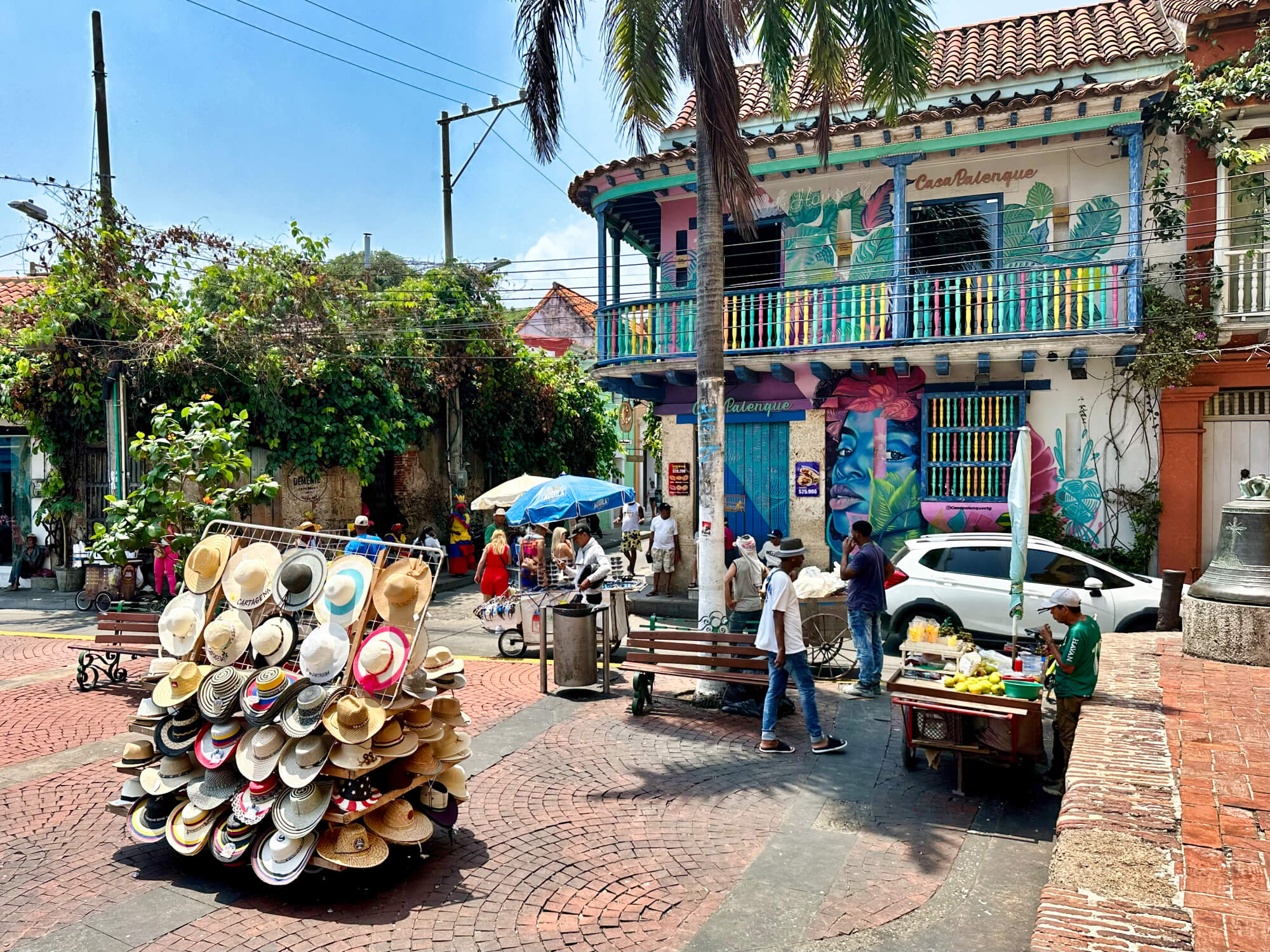
Rum and the Caribbean share a long and complicated history connected with sugar cultivation, maritime trade and colonial commerce. A good rum tasting is therefore much more than simply sampling a drink. Done properly, it becomes another way of understanding the region.
Coffee may be one of Colombia's most famous exports, but rum provides an entirely different window into Caribbean culture.
Leaving Colombia and continuing into Panama marks a distinct change in the journey.
Panama is geographically narrow, yet remarkably diverse. Within relatively short distances, travelers can move between Caribbean and Pacific environments, tropical rainforest, mountain highlands and one of Latin America's most cosmopolitan capitals.
We first travel towards the western highlands and Boquete.
Situated in the mountains of Chiriquí Province, Boquete enjoys a cooler climate than Panama's tropical lowlands. The surrounding volcanic soils and mountain conditions have made the region internationally renowned for coffee.
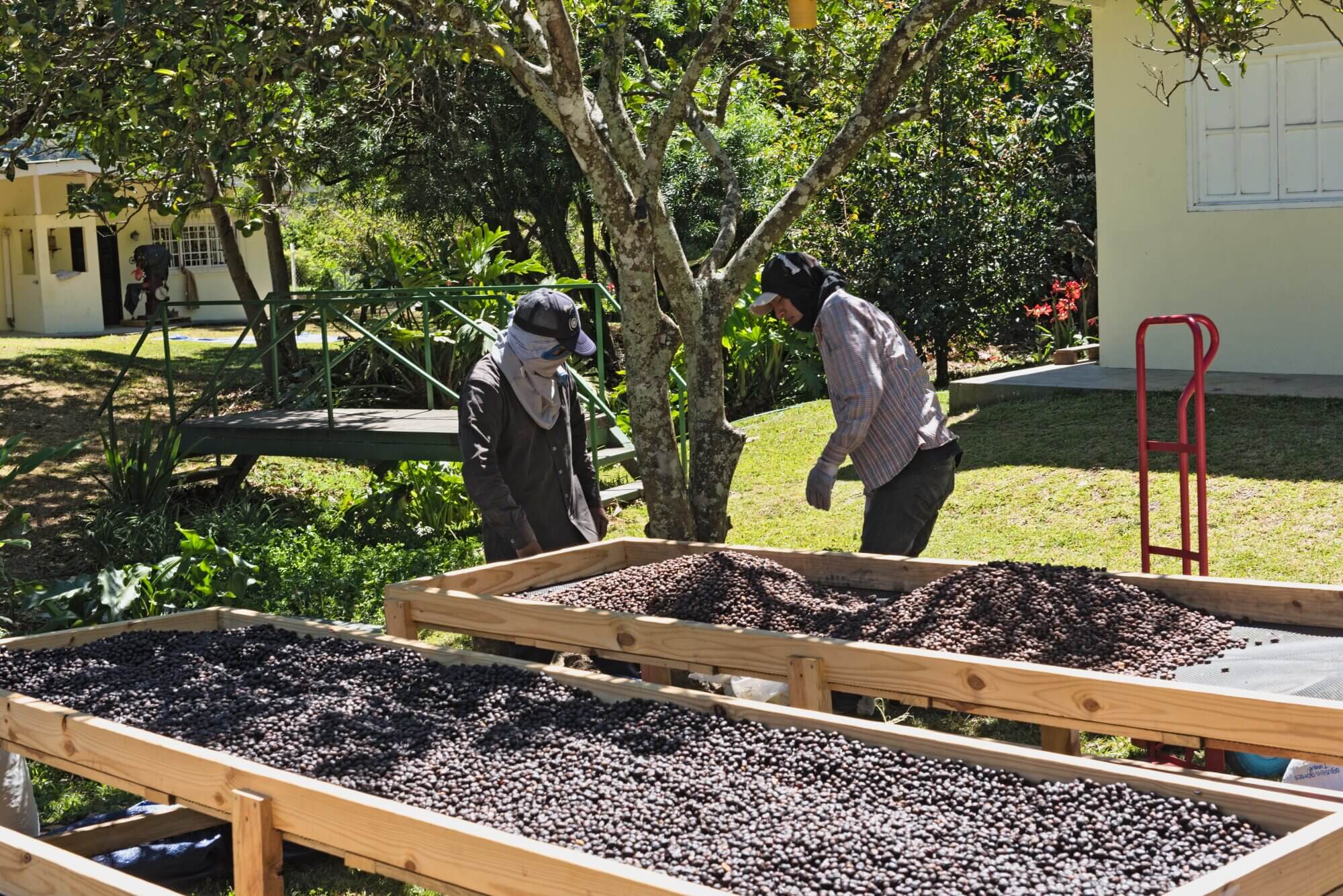
Here, the coffee story we began in Colombia continues — but in a very different environment.
Panama is particularly famous among coffee enthusiasts for exceptional specialty coffees, including Geisha varieties that have achieved extraordinary prices at international auctions.
The objective, however, is not simply to search for expensive coffee. Visiting the region helps us understand just how dramatically geography can influence what grows in a relatively small area.
Boquete also gives us another opportunity to explore rum and its place in the culture of the region.
From the highlands we eventually reach another completely different ecosystem: Panama's tropical rainforest.
Around Gamboa, dense vegetation borders the Panama Canal and provides habitat for an extraordinary variety of birds and wildlife.
An aerial tram offers us a different perspective on the forest, allowing us to move through the vegetation and appreciate its scale without turning the experience into a demanding jungle trek.
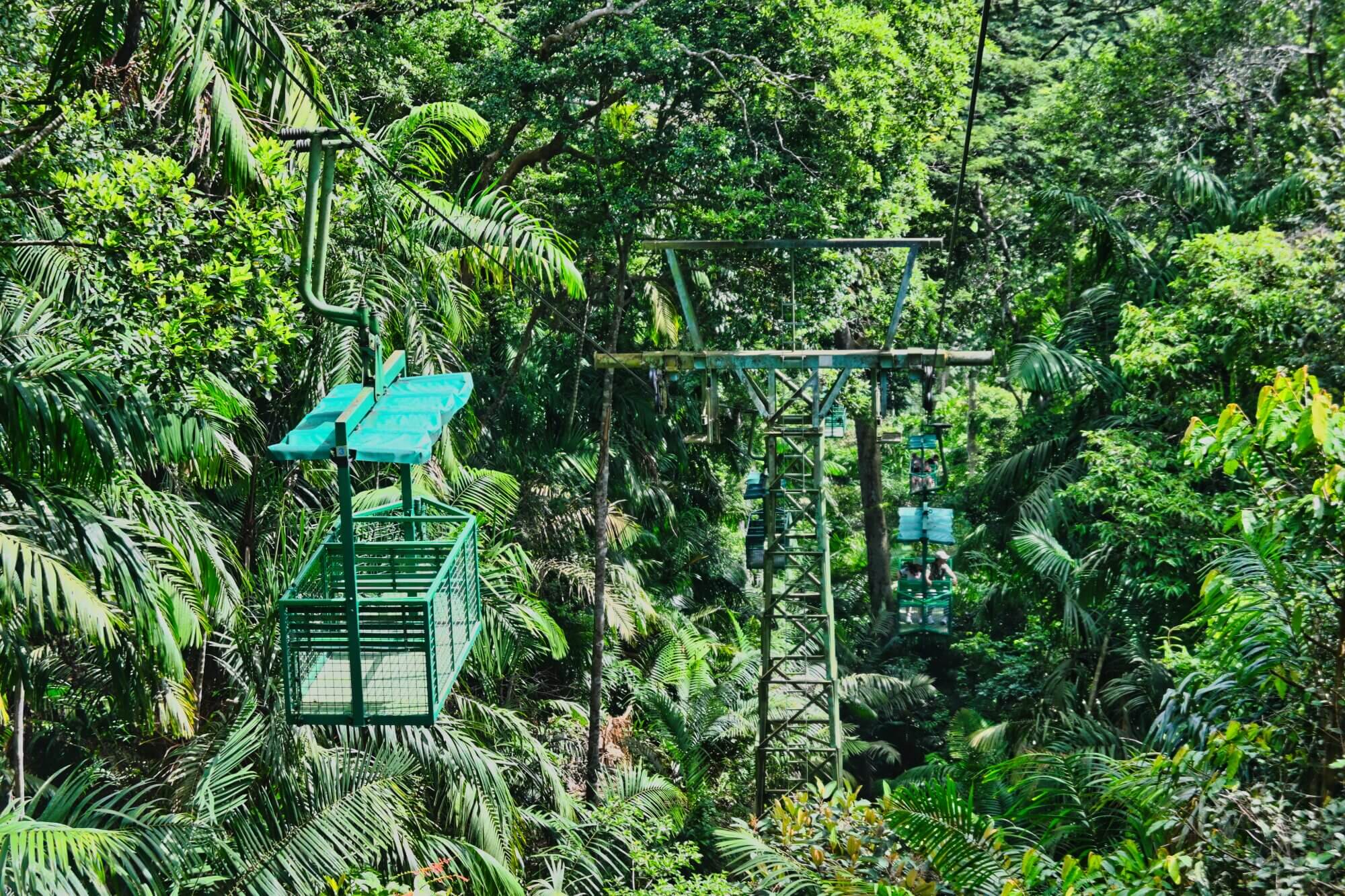
It is difficult to believe that such extensive tropical forest exists so close to one of the busiest maritime transportation corridors in the world.
That contrast — wilderness beside global infrastructure — is one of the things that makes Panama so fascinating.
A journey through Latin America becomes much more meaningful when it includes opportunities to learn about the people whose history predates modern national borders.
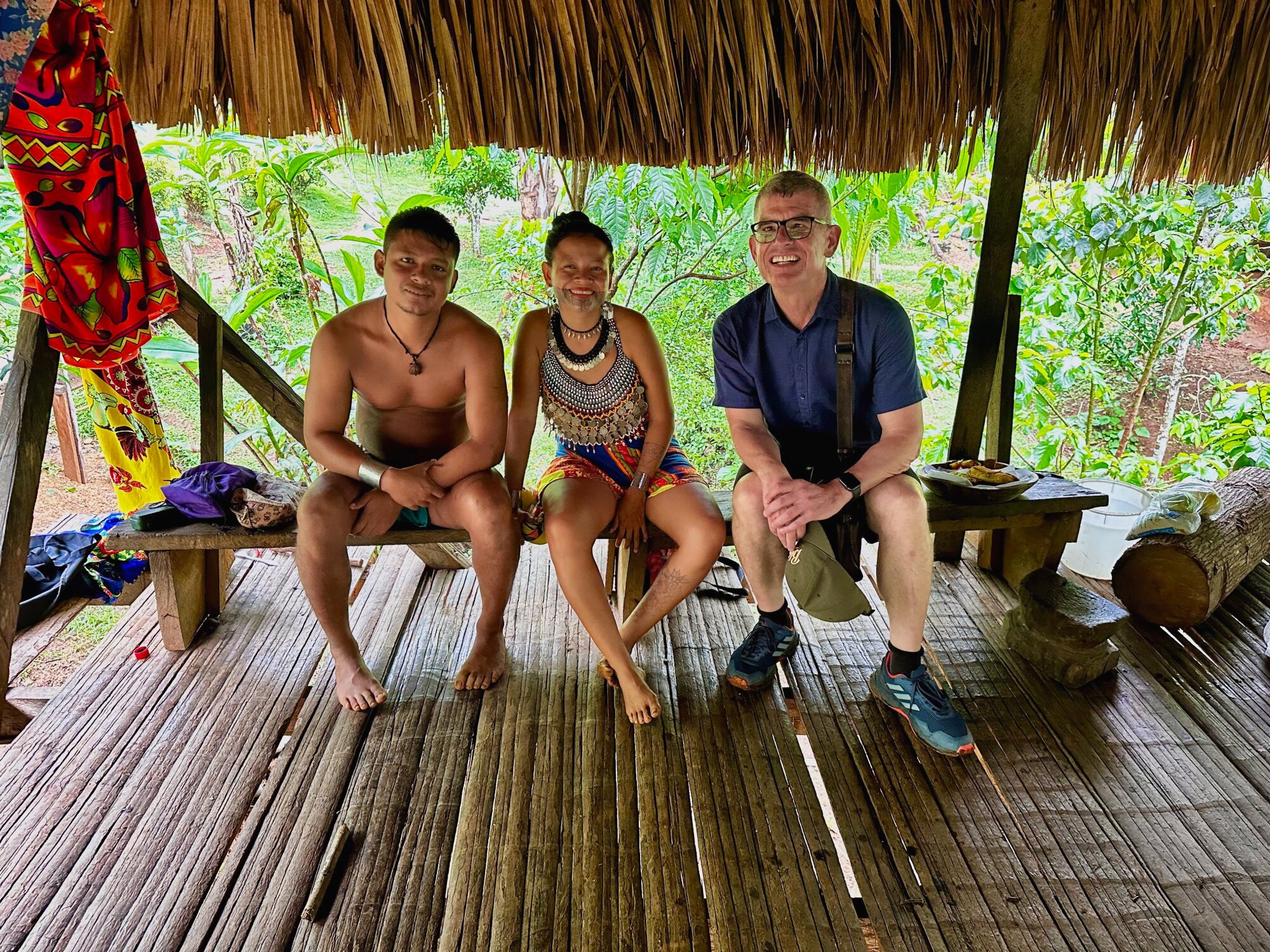
In Panama, we visit an Emberá community, providing an introduction to the traditions and way of life of one of the country's Indigenous peoples.
As with all cultural encounters, the value lies not in treating a community as an attraction, but in listening, observing and gaining a better understanding of a different way of life.
For many travelers, experiences such as this remain in their memories long after individual monuments have begun to blur together.
No journey through Panama would be complete without the Panama Canal.
Yet simply standing beside the locks does not fully explain this extraordinary waterway.
We therefore approach the Canal from several perspectives.
At Agua Clara, on the Caribbean side, we can observe the newer lock complex created for larger Neopanamax vessels. Seeing one of these enormous ships pass through the locks gives a sense of the scale of modern maritime commerce.
Another perspective on the Canal comes from the historic Panama Canal Railway, which takes us between Colón and Panama City. Running alongside sections of the Canal and Gatún Lake, the railway has played an important role in trans-isthmian transport since the 19th century. Today, the journey offers a fascinating combination of railway history, tropical scenery and views of the waterway itself.
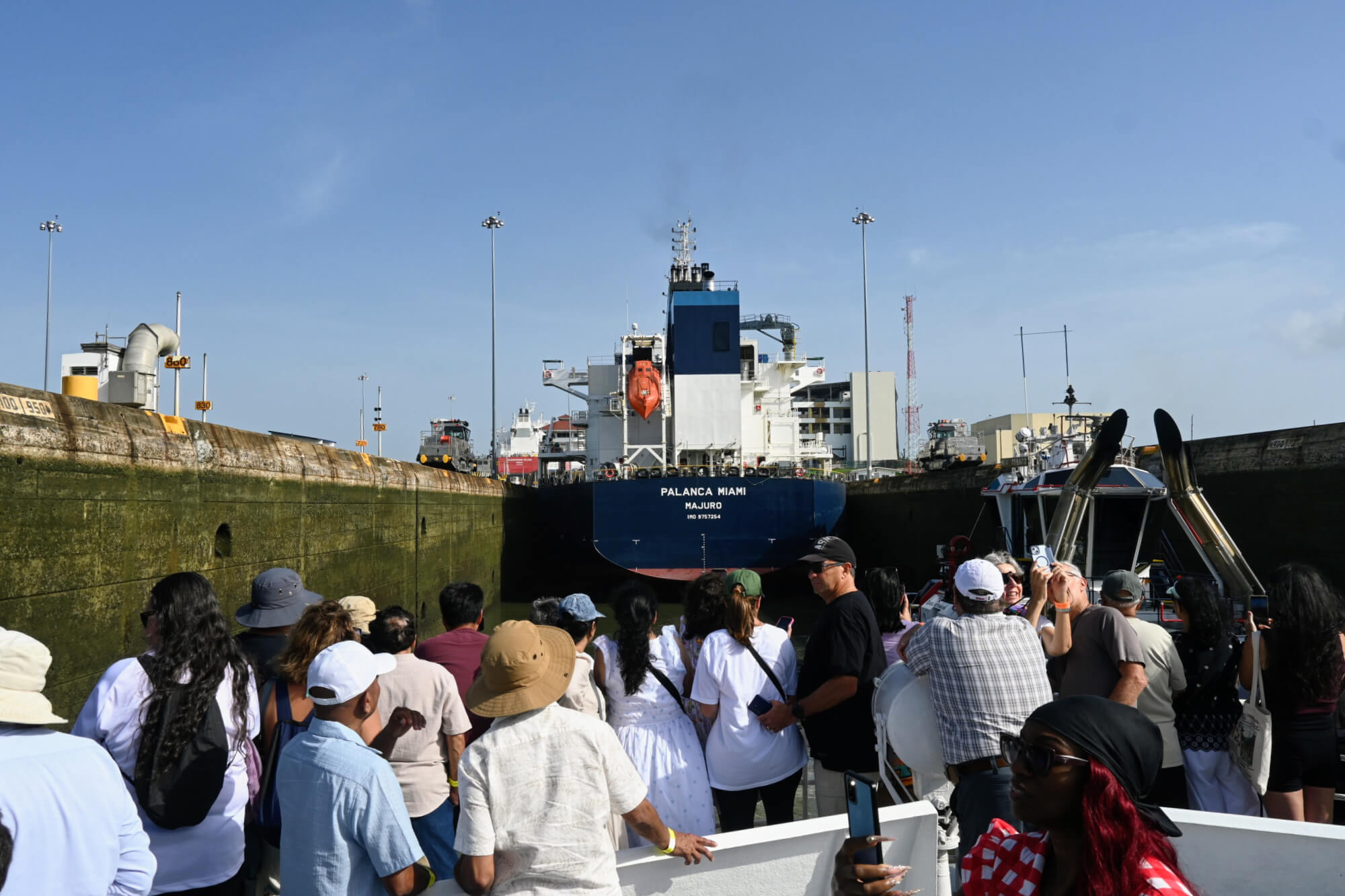
Later comes one of the defining experiences of the entire journey: a Partial Panama Canal Transit.
Traveling through the Canal by boat changes your perception completely.
From the water, locks that appeared enormous from land become even more impressive. Vessels are raised and lowered as water moves by gravity between chambers, while container ships and other international traffic pass through the same system.
More than a century after opening in 1914, the Panama Canal remains one of the world's great engineering achievements and one of the most important links in global transportation.
For travelers interested in railways, ships, engineering and transport history, it is a fitting finale.
What makes this journey unusual is not any single attraction.
It is the combination.
One day we may be drinking freshly prepared coffee in the Colombian mountains. A few days later we are riding a heritage railway across the highlands near Bogotá. Then we are walking through colonial Cartagena, tasting Caribbean rum, exploring Panama's mountain coffee country or looking across tropical forest from an aerial tram.
Finally, we find ourselves aboard a vessel actually travelling through the locks of the Panama Canal.
The journey has been designed for curious travelers who enjoy discovering how geography, history, transportation and local traditions fit together.
There are famous sights, certainly. But there are also smaller experiences: a boat journey, a railway, a coffee farm, a conversation, a landscape or a glass of rum that tells its own story.
That is often where the best travel memories are found.
Rail South America's Colombia & Panama – Rails, Rum & Coffee journey is planned for two departures in 2027:
January 10–30, 2027
July 18–August 7, 2027
The 21-day escorted journey begins in Medellín and concludes in Panama City, combining carefully selected hotels, sightseeing, local experiences, transportation and the services of experienced guides and a Rail South America Tour Leader.
If Colombia or Panama has been on your travel list — or if you are simply looking for a Latin American journey that is rather different from the usual itinerary — this may be the journey for you.
Interested in joining us? Explore the complete Colombia & Panama journey, including the 2027 departure dates, pricing, highlights and tour details.


.svg)
